Designing Experience: The Discipline Behind Memorable Interactions
Experience isn’t a byproduct of design—it is the design. In digital environments especially, experience encompasses every touchpoint, every interaction, and every feeling a user walks away with. However, it extends far beyond what happens on a screen. It’s about the full journey someone takes when engaging with a brand, product, or service—before, during, and after the digital moment.
User Experience Design (UXD) emerged out of necessity. As digital products grew more complex, it became clear that aesthetics and functionality alone weren’t enough. The user’s experience—their ease, delight, frustration, and overall flow—proved equally important. UX is not just about interfaces. Instead, it’s an interdisciplinary field informed by psychology, research, interaction design, information architecture, visual design, content strategy, accessibility, and technology. Its purpose remains clear: to make things work for people.
Experience as the Differentiator
In markets where features and prices are nearly identical, experience becomes the deciding factor. Even the most powerful backend system means little if users struggle to navigate or complete tasks. In today’s digital-first world, users aren’t just impatient—they’re informed and intuitive. And they remember how your experience made them feel.
That emotional imprint—whether it’s satisfaction, confusion, or frustration—directly affects brand equity. This is why UX design is no longer a bonus; it’s a business imperative.
Each click, swipe, scroll, delay, or animation accumulates into a larger impression. Thoughtful microinteractions—a gentle vibration after success, a checkmark animation, or a reassuring progress bar—instill confidence and clarity. Conversely, a confusing form, a misleading button, or a 404 error can quickly erode trust.
Synchronizing the Physical and the Digital
We no longer distinguish between digital and physical experiences—they’re intertwined. A beautiful restaurant might offer exceptional ambiance, but if its reservation app is glitchy, the experience falls apart. Likewise, an elegant website that leads to a chaotic in-person interaction creates dissonance. People don’t segment these moments—they experience them as one connected journey.
Therefore, UXD must consider how digital touchpoints extend into the physical realm and vice versa. Retail offers a clear example: someone might browse products on a mobile app, complete the purchase online, and pick up the item in-store or contact customer service afterward. Every step should feel unified. Any breakdown in tone, process, or expectations disrupts the brand promise.
This is the essence of experience design as a system. It goes beyond screens. It’s about designing an entire ecosystem of interactions that align with a person’s goals, emotions, and expectations—across both digital and tangible realities.
Mapping the Journey, Not Just the Interface
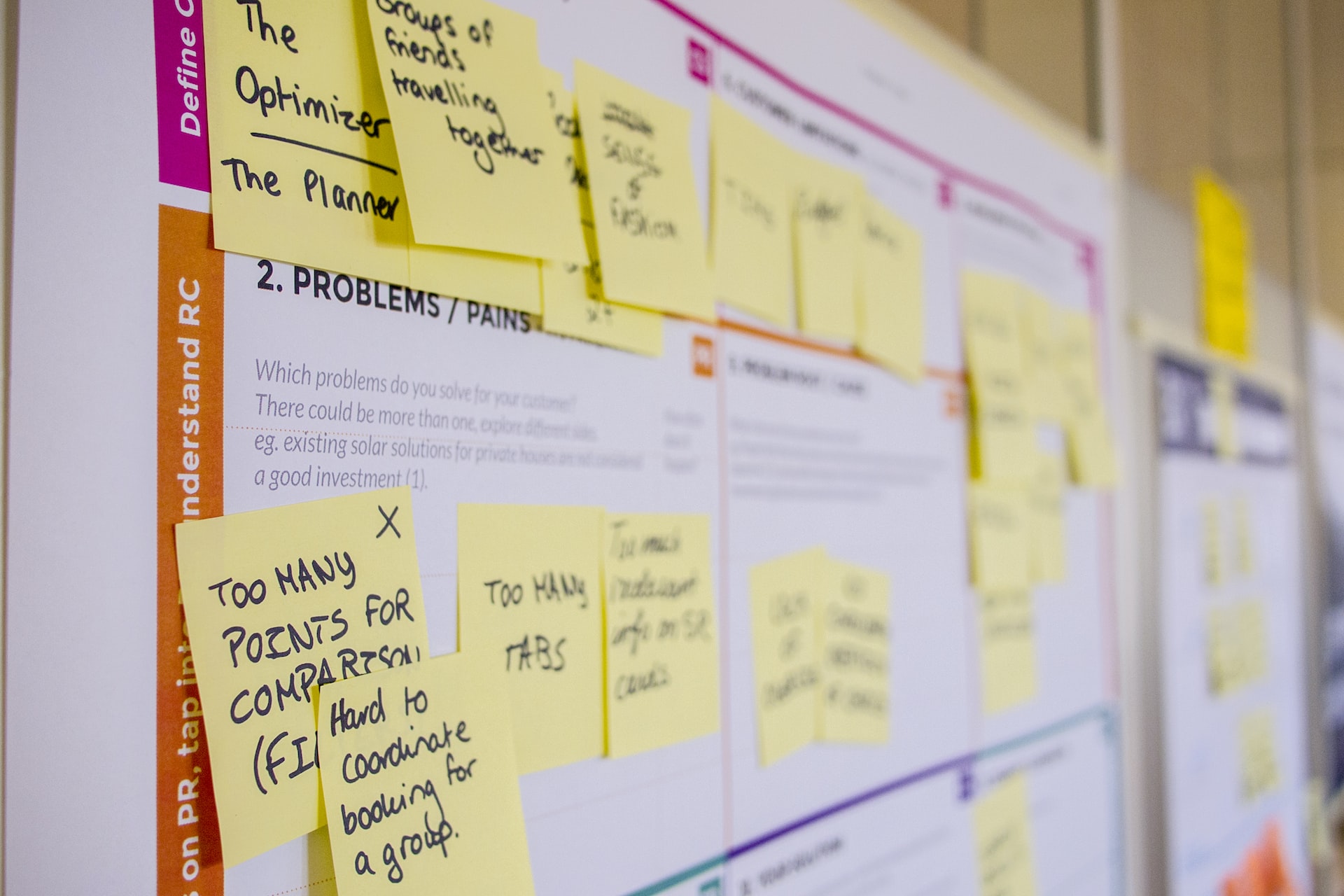
Experience design starts before any wireframe is drawn. It starts with understanding users—their identity, context, goals, and history. That’s where journey mapping comes in. It visualizes the full arc of a user’s engagement, capturing not just what they see, but what they feel at every step.
Touchpoints don’t exist in isolation. They tell a story. When well-designed, that story is clear and reassuring. When ignored, it becomes fragmented, confusing, or even manipulative.
UX designers often aim to reduce friction—those moments where a user has to pause, rethink, or backtrack. However, not all friction is negative. At times, it’s protective. Confirming before deleting critical information or pausing before a transaction are thoughtful interventions. What matters most is that every step is intentional. Good experiences are designed—not accidental.
The Psychology of Experience
Clarity. Control. Confidence. These aren’t just design goals—they’re core human needs. Great UX anticipates mental models. It doesn’t expect users to learn a new logic each time they engage with a product. It respects their time, minimizes cognitive effort, and rewards them with satisfying outcomes.
Designers must weigh cognitive load, visual hierarchy, affordances, and accessibility—each playing a role in how people interact and interpret systems. Yet beyond usability, there’s emotional depth. UX isn’t sterile—it’s emotional. The most memorable experiences leave people feeling inspired, curious, or at ease.
This is why storytelling often underpins UX. Not as a literal narrative, but through the way elements unfold—how expectations are set, how momentum builds, and how resolution is delivered. The interface becomes a stage. The user is the lead.
From Screens to Systems: The Maturity of UX
Initially, UX work focused on improving screen interactions. Today, the discipline of user experience design plays a much larger, strategic role across organizations—shaping how businesses innovate, develop products, communicate, and support users. UX professionals now shape how businesses innovate, develop products, communicate, and support users.
They ask critical questions like:
-
What does onboarding feel like?
-
Where are users struggling—and why?
-
How can we reduce anxiety or uncertainty?
-
How do our digital and physical expressions align?
-
Are we solving real user needs—or relying on assumptions?
This evolution proves that UX isn’t just a profession—it’s a mindset. It promotes empathy, iteration, and systems thinking. Ultimately, it helps businesses shift focus from simply launching features to enabling meaningful behaviors.
The Business of Experience
Exceptional experiences build loyalty. Poor ones push users away. However, the ROI of UX can be hard to quantify—leading some companies to underinvest. Still, research consistently shows that brands prioritizing UX outperform their competitors. They enjoy better retention, higher satisfaction, and stronger advocacy.
As digital transformation accelerates, every business becomes a digital business. That means every business must also become an experience business. Whether in healthcare, finance, education, or retail, digital interfaces now are the brand.
It’s no longer enough to be usable. Experiences must be meaningful.
Experience Is Never Done
Experience isn’t static. As user behaviors evolve and technologies advance, so must the standards of what constitutes a “good” experience. What felt intuitive five years ago may feel clunky now. That’s why UX must be iterative—grounded in research, tested with users, and improved over time.
This doesn’t mean following every trend. Rather, it calls for attentiveness—listening to user feedback, watching behavioral shifts, and continuously realigning design with intent. Even small updates contribute to a stronger, more coherent experience.
Experience Is the Product
Users don’t care about backend logic or beautiful UI components. Your system’s capabilities and the feelings it evokes are what they care about. In that sense, experience is the product.
Designing great experiences requires more than aesthetic skill. It demands discipline, empathy, and vision. When digital and physical moments are aligned, when every interaction is intuitive and emotionally resonant, and when user needs are met with grace—you build more than a usable product. You build trust. You build loyalty. And ultimately, you build something people want to return to.
Our published articles are dedicated to the design and the language of design. VERSIONS®, focuses on elaborating and consolidating information about design as a discipline in various forms. With historical theories, modern tools and available data — we study, analyze, examine and iterate on visual communication language, with a goal to document and contribute to industry advancements and individual innovation. With the available information, you can conclude practical sequences of action that may inspire you to practice design disciplines in current digital and print ecosystems with version-focused methodologies that promote iterative innovations.