Table of Contents


How to Engage Users
User engagement is not a byproduct of design—it’s the objective. In any digital experience, the measure of success hinges on how effectively users are drawn in, guided, and retained. Engagement begins the moment a user interacts with your interface, but sustaining that engagement requires intentionality across every layer of design, content, and interaction.
Understanding User Engagement
User engagement refers to the depth of a user’s interaction with a product, service, or platform. It’s not just about keeping users on a page longer—it’s about creating value in every interaction. Metrics like time on site, click-through rates, conversions, and return visits can help quantify engagement, but real engagement is rooted in relevance and resonance.
When users feel understood, empowered, and valued, engagement naturally follows.
Design With Intent
Engaging design starts with clarity. A clean, intuitive interface reduces friction and encourages exploration. Navigation should be effortless. The user journey must be obvious but not restrictive, guiding visitors without forcing them. Every element—from typography to microinteractions—should serve a purpose.
Visual hierarchy helps users process information quickly. Interactive components, such as scroll-based animation or hover states, add dynamism without overwhelming the experience. Accessibility must remain central; inclusive design expands engagement by making interfaces usable for everyone.
Speak Their Language
Content drives engagement as much as design. Clear, concise, and relevant language builds trust. Avoid jargon unless your audience demands it. Tone matters—whether formal or conversational, it should feel familiar and aligned with your brand voice.
Headlines should capture attention. Subheadings and bullet points improve scannability. CTAs (calls to action) need to be specific and benefit-oriented. Instead of “Submit,” consider “Get My Free Guide” or “Book a Demo.”
Multimodal content—images, video, infographics—boosts retention and appeals to diverse learning styles. When people find content that feels crafted for them, they engage more deeply.
Create Seamless Interactions
Microinteractions are powerful tools for engagement. These subtle visual or auditory cues reinforce user actions and make experiences feel responsive. Whether it’s a heart animation after a “like” or a soft hover glow on a button, microinteractions help bridge the gap between human and machine.
Speed matters too. A delay of just a second or two can lead users to abandon a page. Optimized performance, smooth transitions, and mobile-first responsiveness all contribute to keeping users immersed in your experience.
Use Personalization Thoughtfully
Not all engagement is generalized. The most successful experiences adapt to the individual. Personalization—whether through recommended content, saved preferences, or localized messaging—can significantly increase user satisfaction.
However, users are increasingly wary of privacy issues. Be transparent. Let users know how data is used and give them control over personalization features. When users feel they’re in control, they’re more likely to lean into the experience.
Build Trust and Consistency
Trust is the foundation of long-term engagement. Consistency across visual identity, interaction patterns, and tone helps build familiarity. Users don’t want to re-learn how your site or platform works every time they visit.
Visual design, language, layout, and system feedback should all align with your brand’s core values. This cohesion contributes to a stable, reliable experience that encourages users to return.
Encourage Two-Way Interaction
Engagement isn’t a one-way street. Allow space for users to respond—through forms, comments, surveys, reactions, and other feedback loops. Real-time chat, community sections, and user-generated content deepen involvement.
This feedback also fuels iterative improvement. Use insights to refine the experience continually, showing users their input shapes the platform.
Focus on Emotional Connection
Emotional design can be the most powerful driver of engagement. It’s not enough to be usable or even useful—products should be meaningful. Delight, surprise, and empathy are strong engagement tools when used authentically.
Whether it’s through storytelling, humor, or a simple, thoughtful design gesture, emotional resonance builds loyalty. It makes users feel seen.
Measure and Iterate
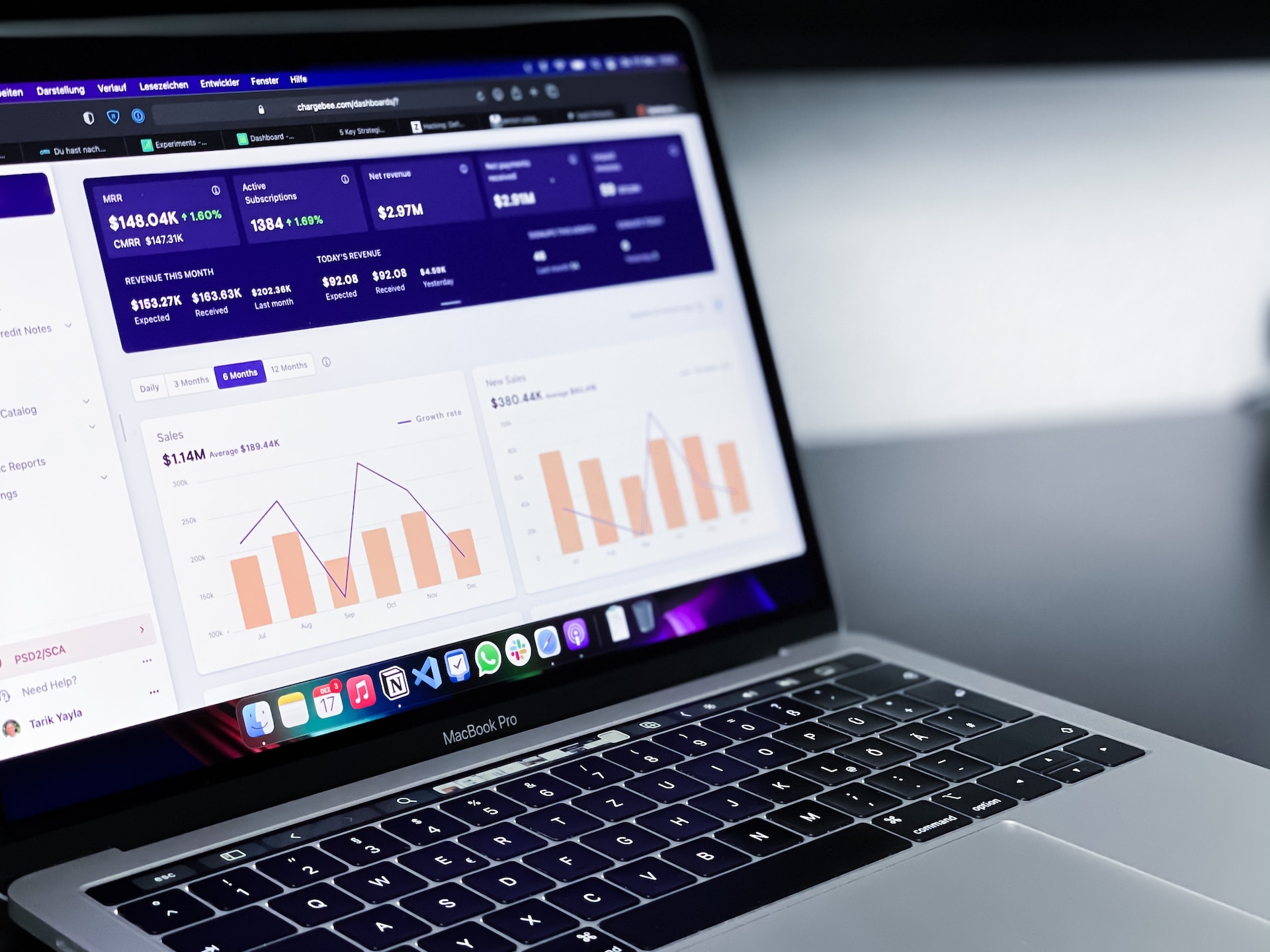
Finally, engagement must be measured—but not solely through vanity metrics. Track meaningful interactions: task completions, content shares, repeat usage. Use tools like heatmaps, session recordings, A/B testing, and user feedback to understand friction points and drop-offs.
What keeps users engaged today may not tomorrow. Design is never finished. Continuous refinement, grounded in real behavior, is essential.
Final Thought
Engaging users is a layered practice that blends empathy, strategy, and craft. It’s not about tricking users into staying longer—it’s about making them want to come back. When design, content, and experience align with user needs and aspirations, engagement becomes a natural outcome.
Our published articles are dedicated to the design and the language of design. VERSIONS®, focuses on elaborating and consolidating information about design as a discipline in various forms. With historical theories, modern tools and available data — we study, analyze, examine and iterate on visual communication language, with a goal to document and contribute to industry advancements and individual innovation. With the available information, you can conclude practical sequences of action that may inspire you to practice design disciplines in current digital and print ecosystems with version-focused methodologies that promote iterative innovations.