
Table of Contents


Turning Ideas into Market-Ready Solutions
If product design is the discipline of imagining and shaping solutions, then product development is how those solutions come to life. It’s where strategy meets execution, where user insights become working features, and where businesses align vision with deliverables.
Product development is not just coding or manufacturing—it’s the orchestration of all efforts required to deliver a product that people can use, buy, and benefit from. It’s a continuous process that spans across research, engineering, design implementation, testing, and refinement.
And while design asks, “What should we build and why?”—development answers with “How can we build it, support it, and grow it?”
What Is Product Development?
Product development is the process of building a product from concept to completion. It covers everything from ideation and prototyping to engineering, testing, release, and iteration.
In most modern organizations, product development is collaborative and multidisciplinary, blending:
-
Product management
-
Engineering and technical development
-
UX/UI and visual design
-
QA and testing
-
Marketing and GTM (go-to-market) efforts
-
Customer support and feedback integration
At its best, product development creates real-world impact by translating ideas into tangible, valuable experiences.
Product Design vs. Product Development
Though often used interchangeably, product design and product development are distinct but deeply interconnected.
-
Product design focuses on solving the right problems with the right experience.
-
Product development ensures those solutions are built efficiently, launched effectively, and maintainedsustainably.
Think of it this way: design identifies the destination and draws the map; development paves the road and drives the vehicle.
The Full Product Development Lifecycle
Product development doesn’t follow a single linear path. It adapts to context, market pressures, timelines, and team structures. However, most frameworks share a core lifecycle with overlapping phases.
1. Ideation and Feasibility Assessment
Everything starts with an idea—but not all ideas become products. Early in development, teams vet product concepts for feasibility, technical complexity, and alignment with business strategy.
Activities include:
-
Market analysis
-
Competitive research
-
Technical feasibility studies
-
Risk assessments
-
Resource planning
This is where the product team answers: Can we build it? Should we build it?
2. Product Planning and Roadmapping
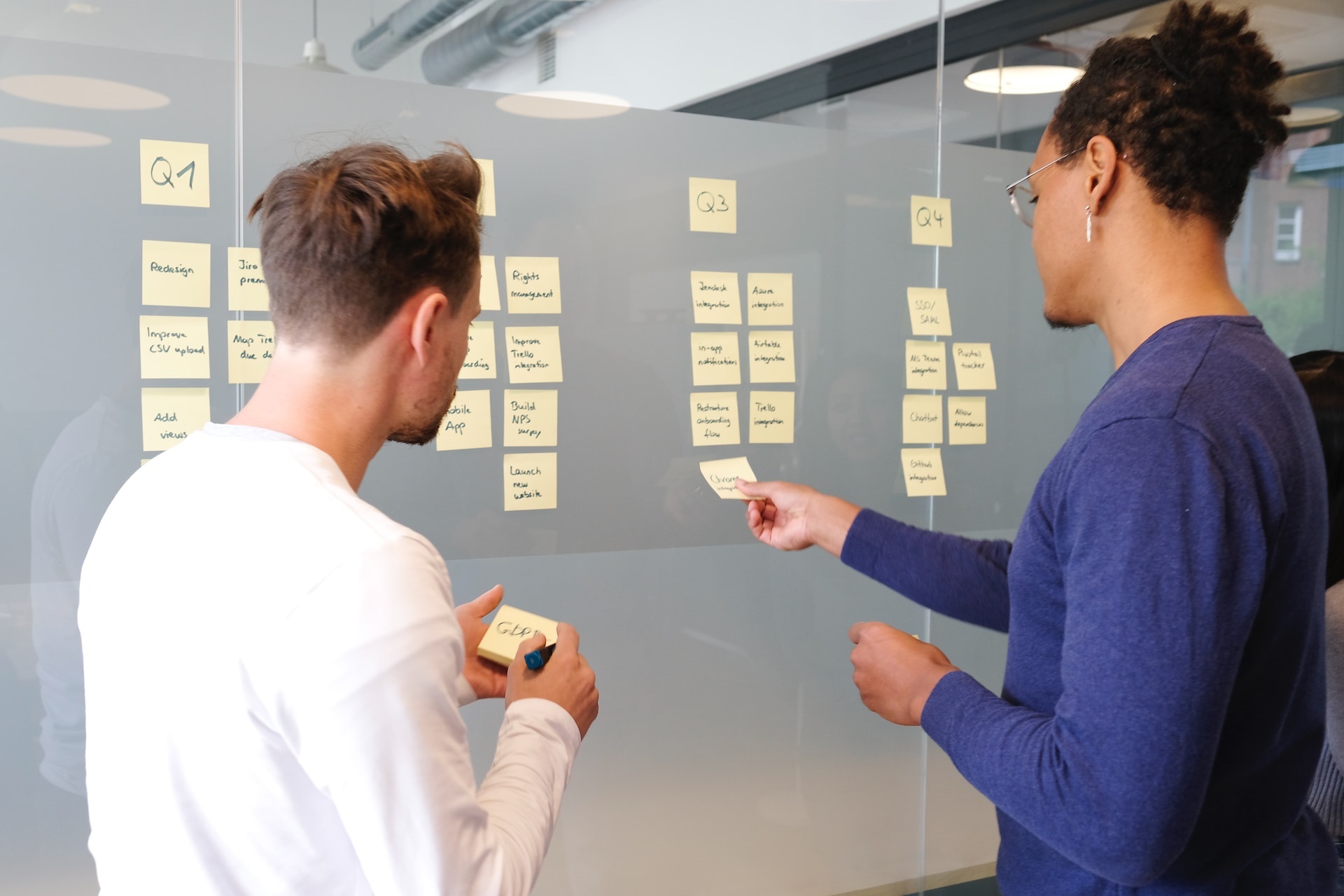
Once an idea is validated, it moves into formal planning. The product roadmap is developed to define scope, timelines, milestones, and key deliverables.
Artifacts created:
-
Feature prioritization (often using models like MoSCoW or RICE)
-
MVP definition (Minimum Viable Product)
-
Technical architecture
-
Timeline estimates and sprint planning
-
Backlog creation
The roadmap serves as the shared source of truth for stakeholders, guiding development with agility and structure.
3. Design Integration
At this stage, design handoffs become blueprints for development. Depending on the workflow, this might include:
-
High-fidelity mockups
-
Design tokens and assets
-
Design system documentation
-
UX flows and user stories
This is where development teams begin turning ideas into code and components, ensuring visual and interaction fidelity.
Dive into the Product Design process
4. Engineering and Development
Now the build begins. Engineers and developers implement features, integrate APIs, configure databases, and build infrastructure. This phase includes:
-
Front-end development (UI implementation)
-
Back-end development (servers, logic, databases)
-
DevOps and cloud architecture
-
API integrations and data pipelines
-
Security and performance optimizations
Development often occurs in sprints within an Agile framework, allowing incremental releases, fast feedback, and adaptive changes.
5. Testing and Quality Assurance (QA)
Before anything goes live, it must be tested. QA ensures the product works as intended, meets quality standards, and delivers a seamless experience.
Testing strategies:
-
Unit testing (component-level logic)
-
Integration testing (data and service connections)
-
Functional testing (feature performance)
-
Usability testing (UX validation)
-
Performance and load testing
-
Security and compliance checks
QA is not just about finding bugs—it’s about ensuring reliability, usability, and trust.
6. Launch and Go-to-Market Execution
Once a product passes QA and stakeholder approval, it’s time to release it to the world.
This includes:
-
Deployment to production environments
-
Final performance checks
-
Marketing launch campaigns
-
Documentation and help desk resources
-
User onboarding and release notes
For digital products, launches may be staged (e.g., soft launches, beta testing, or region-based rollouts) to reduce risk and gather early feedback.
7. Post-Launch Monitoring and Iteration
The job doesn’t end at launch. Product development is iterative. Once real users engage with the product, data streams in to inform updates and enhancements.
Post-launch work includes:
-
Monitoring KPIs and analytics
-
Logging errors and system health metrics
-
Gathering user feedback and support tickets
-
Prioritizing bugs and improvements
-
Iterating for version 1.1, 2.0, and beyond
The development team works closely with design, product, and marketing to continuously evolve the product and increase its value.
Common Product Development Methodologies
How a team approaches product development often depends on their size, industry, and goals. Here are the most widely used methodologies:
Agile
Agile is the dominant framework for modern product teams. Work is broken into short cycles (sprints), allowing quick iteration and adaptation based on feedback. Agile encourages collaboration, transparency, and continuous delivery.
Common flavors of Agile include:
-
Scrum
-
Kanban
-
SAFe (Scaled Agile for large orgs)
Waterfall
A linear, sequential model where each stage (planning, design, development, testing, deployment) is completed before the next begins. Often used in hardware and regulated industries, but less flexible.
Lean
Inspired by Lean manufacturing, this methodology prioritizes speed, efficiency, and validation. It emphasizes rapid prototyping, early testing, and minimal waste.
Often linked to the Lean Startup philosophy: Build → Measure → Learn.
DevOps
Though not a development methodology in itself, DevOps practices deeply influence how products are built and delivered. It merges development and IT operations to enable faster, more reliable deployments through automation and CI/CD pipelines.
Cross-Functional Collaboration in Development
Successful product development demands tight coordination between roles:
-
Product Managers define vision, scope, and priorities.
-
Designers shape the user experience and visual system.
-
Developers bring the product to life through code.
-
QA Testers ensure it meets expectations and standards.
-
Marketers shape messaging and user acquisition.
-
Customer Success connects feedback with future improvements.
The best teams break silos and work in lockstep—often via daily standups, shared tools, and collaborative workshops.
Tools and Platforms Used in Product Development
Product teams rely on a range of tools throughout the lifecycle:
Project Management
-
Jira, Trello, Asana, ClickUp
Code & Version Control
-
GitHub, GitLab, Bitbucket
CI/CD & DevOps
-
Jenkins, CircleCI, GitHub Actions, Docker, Kubernetes
Design Collaboration
-
Figma, Sketch, Adobe XD, Zeplin
Documentation
-
Confluence, Notion, Slab
Analytics & Monitoring
-
Google Analytics, Mixpanel, New Relic, Datadog
Integration across these tools ensures transparency, accountability, and velocity.
Scaling Product Development
As companies grow, so do the demands on their product development function. Scaling requires:
-
Design systems for consistent UX/UI
-
Component libraries for reusability
-
Microservices architecture for independent deployment
-
Automation for testing and deployment
-
Clear product roadmaps aligned with company OKRs
-
Platform governance and technical debt management
Hiring also plays a role—building out dedicated teams for mobile, web, back-end, security, DevOps, and performance optimization.
Product Development Challenges
While exciting, product development is rarely smooth. Common pitfalls include:
-
Scope creep – adding features without reevaluating time or resources
-
Misalignment – lack of clarity between stakeholders and builders
-
Technical debt – cutting corners early that slow you down later
-
Poor handoff – when design and development are siloed
-
Delayed testing – discovering issues too late in the cycle
-
Inadequate feedback loops – launching blind
A mature product development process plans for these risks and bakes resilience into the system.
Continuous Development and Maintenance
Even post-launch, products require updates, bug fixes, and new features. Maintenance is a form of product stewardship, ensuring security, relevance, and performance.
Ongoing work includes:
-
Version updates
-
User-requested improvements
-
Refactoring for performance or scalability
-
Accessibility enhancements
-
Internationalization or localization
Product development is not a sprint. It’s a commitment.
Why Product Development Is Strategic
Too often, development is seen as tactical—just “building what was designed.” But in reality, product development is where strategic choices are executed. It determines:
-
How fast a product reaches the market
-
How well it performs at scale
-
How secure and accessible it is
-
How easy it is to maintain or grow
-
How quickly teams can adapt to change
In short, development isn’t just the engine—it’s the foundation.
Final Thoughts
Product development is how ideas evolve into experiences. It is a multidisciplinary, iterative, and user-informed process. From startup MVPs to enterprise platforms, the core principle remains: build with purpose, test with rigor, and improve with every iteration.
As product expectations rise, development teams are not just builders—they’re problem solvers, architects, collaborators, and change agents.
Product design sets the vision. Product development brings it to life. Together, they define how we interact with the world around us—one product at a time.
Our published articles are dedicated to the design and the language of design. VERSIONS®, focuses on elaborating and consolidating information about design as a discipline in various forms. With historical theories, modern tools and available data — we study, analyze, examine and iterate on visual communication language, with a goal to document and contribute to industry advancements and individual innovation. With the available information, you can conclude practical sequences of action that may inspire you to practice design disciplines in current digital and print ecosystems with version-focused methodologies that promote iterative innovations.
Related Articles –
-

Revolutionizing UX Design with the Binary Approach to Project Management
-
Kano Model: A Stellar Product Management Method
-

Product Manager: Understanding the Role and Its Relationship with Product and UX Designers
-

Tracking Metrics for the Success of a Product or Design
-
Launching A Product That Won’t Fail