
Table of Contents


Building Digital Experiences That Connect and Convert
Today, web design is more than just visuals—it’s the foundation of digital communication. It shapes how people perceive, navigate, and interact with your brand online. In today’s digital economy, where attention spans are short and competition is high, effective web design is a decisive business asset. To explore how to choose the right web design partner, see our guide on selecting the right web design firm for your project.
From the moment a user lands on a page, their journey is guided by design choices—layout, typography, color, hierarchy, motion, and accessibility. These visual and functional elements influence everything from user trust to conversion rates. When design is done right, it not only looks good but works well.
The Role of Web Design in the Digital Ecosystem
At its core, web design creates the environment in which content is delivered and actions are taken. It combines visual aesthetics with interactive behaviors to produce experiences that are engaging, intuitive, and purposeful. Whether you’re running an ecommerce platform, a SaaS application, or a content-heavy blog, web design dictates how users interact with the product.
Design decisions also influence:
- User retention: A confusing or unattractive design can cause users to leave within seconds.
- Accessibility: Good design ensures inclusivity for people with visual, motor, or cognitive impairments.
- Brand identity: Design reflects who you are as a company—professional, playful, trustworthy, disruptive.
- Search engine visibility: Layout structure and mobile optimization impact SEO performance.
Foundations of Effective Web Design
Great web design begins with intent. It requires strategic thinking about who your users are, what they need, and how your brand should show up. Core principles include:
1. Visual Hierarchy
Establishing a clear hierarchy helps guide users through content in a logical way. This includes:
- Size, weight, and placement of headings
- Contrast between text and background
- Use of whitespace to group or separate elements
2. Consistency
A cohesive design system ensures that buttons, navigation, forms, and other components behave predictably. This builds user confidence and reduces friction.
3. Responsiveness
Your design must adapt seamlessly across devices—desktops, tablets, smartphones, and everything in between. Mobile-first design is now standard, not optional.
4. Accessibility
Design should be inclusive. This means using sufficient contrast ratios, enabling keyboard navigation, applying semantic HTML, and providing screen reader support.
5. Performance Optimization
Visual elements must be optimized to load quickly without sacrificing quality. Lazy loading, proper image formats, and minimal CSS/JS can dramatically improve perceived speed.
Web Design Process: From Discovery to Launch
The web design process typically follows a sequence of phases that balance creative exploration with practical implementation:
- Discovery and Research
- Understand audience needs and behaviors
- Audit competitors and industry standards
- Define goals and metrics for success
- Information Architecture and Wireframing
- Map out site structure and content flow
- Create low-fidelity wireframes to plan interactions and hierarchy
- Visual Design
- Develop high-fidelity mockups reflecting branding, typography, and interactivity
- Establish color palettes, UI components, and iconography
- Prototyping and Testing
- Build interactive prototypes to validate user flows and usability
- Conduct user testing and stakeholder reviews
- Design Handoff and Development Integration
- Provide specifications, assets, and guidelines for developers
- Collaborate to ensure faithful implementation and accessibility compliance
Web Design vs. Web Development: Understanding the Relationship
While web design focuses on appearance and user interaction, web development is the process of bringing those designs to life. Designers craft the blueprint; developers build the structure. Together, they create the full digital experience.
Design that ignores development constraints can create roadblocks, just as development without design guidance can lead to disjointed interfaces. That’s why seamless collaboration is essential.
Learn more about the development side of this relationship in our dedicated article on Web Development.
Design Approaches: Custom, Themed, or No-Code
There’s no single “right” way to design a website—there’s only the approach that best fits your needs.
Custom Design Systems
Tailored experiences built from scratch to reflect a brand’s unique personality, goals, and functionality requirements. These are ideal for:
- Enterprises
- Mission-critical user journeys
- Global organizations with accessibility and compliance needs
Templated or Theme-Based Designs
Ideal for startups or small businesses looking for a faster, more cost-effective solution. These can be:
- Modified to reflect brand visuals
- Extended with plugins and basic code
No-Code and Visual Builders
Tools like Webflow, Elementor, or Squarespace allow designers and marketers to build with minimal coding knowledge. These platforms:
- Accelerate prototyping
- Enable marketing agility
- Require attention to performance and consistency
Each method has trade-offs. Simpler solutions may sacrifice uniqueness or scalability. Fully custom approaches demand more resources but offer longevity and flexibility.
Responsive and Adaptive Design Considerations
Responsive design has become a standard practice, allowing websites to adjust fluidly across device sizes. Adaptive design, while more controlled, involves crafting fixed layouts for specific viewports.
Key considerations:
- Mobile traffic now exceeds desktop in many industries
- Users expect parity in functionality and content across devices
- Accessibility must be preserved across all breakpoints
Designing responsively isn’t just about shrinking things—it’s about re-prioritizing content, simplifying navigation, and optimizing touch interactions.
The Intersection of Design and Strategy
Web design isn’t just execution; it’s strategic. Every design decision should reflect business goals and user needs. That includes:
- Conversion paths (e.g. lead forms, CTAs)
- User engagement metrics (e.g. scroll depth, bounce rate)
- Content strategy (e.g. visual storytelling, scannable copy)
Designers today must think like strategists, combining empathy with data. Tools like heatmaps, A/B testing, and user journey mapping inform continuous iteration.
The Importance of Brand Expression
Your website is often your most visible brand asset. The design must convey personality and purpose. This involves:
- Brand typography and tone
- Image style and visual motifs
- Animation and transitions that reflect brand energy
Consistency across all digital touchpoints builds trust. Whether someone is visiting your homepage, viewing an ad, or opening an email, the experience should feel cohesive.
Maintaining Design Over Time
Design doesn’t end at launch. Brands evolve, user needs shift, and technologies change. That’s why a successful web design system must include:
- Modular components for rapid updates
- Design tokens to enforce consistency
- Clear documentation to guide future contributors
Design governance matters. Without it, sites become bloated, inconsistent, and hard to update. A modern web design strategy anticipates scale and change.
Trends vs. Timeless Principles
While it’s tempting to chase visual trends, timeless principles create sustainable design. Flat design, neumorphism, brutalism—each has its moment, but usability, clarity, and purpose always win.
The best web design honors both form and function. It creates joy through simplicity, trust through consistency, and engagement through thoughtful interaction.
Final Thought
Web design is the bridge between technology and people. It translates intent into experience. It determines whether someone stays, clicks, buys, or bounces. In a world where everyone is online, design is not decoration—it’s direction.
As you explore options for your digital presence, remember: great design starts with empathy and ends with action. And when paired with thoughtful development, it creates more than a website—it builds a platform for lasting connection.
Our published articles are dedicated to the design and the language of design. VERSIONS®, focuses on elaborating and consolidating information about design as a discipline in various forms. With historical theories, modern tools and available data — we study, analyze, examine and iterate on visual communication language, with a goal to document and contribute to industry advancements and individual innovation. With the available information, you can conclude practical sequences of action that may inspire you to practice design disciplines in current digital and print ecosystems with version-focused methodologies that promote iterative innovations.
Related Articles –
-

Beyond Aesthetics: 5 Pillars of Effective Web Design Today
-

A UX Perspective on Emotional Engagement and Interface Colors
-

Enhancing User Engagement and Driving Conversions through Thoughtful Web Design
-

Affordances in UI: Designing for What Users Instinctively Understand
-

Fundamental Components of Grid Systems
-

User Persona Development: A Critical Foundation for Effective Web Design
-

A Systematic Analysis of User Interface Problems
-
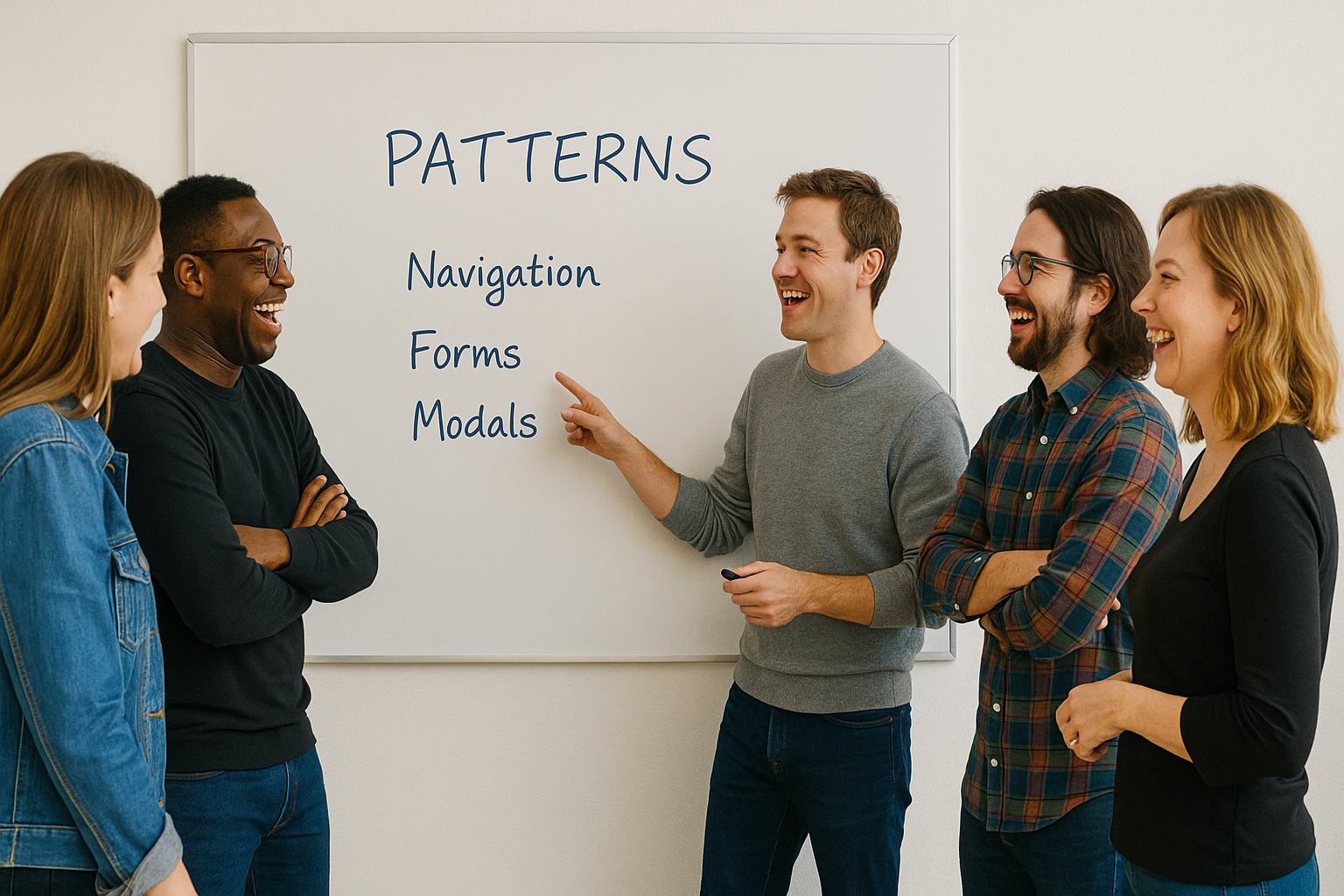
Designing with Interaction Patterns: Creating Consistency and Flow in User Experiences
-

The Real Talk on UI/UX: A Year of Transformation
-

The Rule of Familiarity in Web Design: Enhancing User Experience Through Consistency