
Table of Contents


Tools and Frameworks for Meaningful Design Decisions
User Experience (UX) methods are the practical tools that designers use to understand, define, and improve how people interact with digital products. These methods transform abstract goals into actionable strategies that improve usability, satisfaction, and business outcomes.
Each method serves a different purpose in the design lifecycle—from discovery and ideation to testing and refinement. Selecting the right UX method means aligning it with project needs, user context, and available resources.
Discovery Methods: Understanding People and Problems
The design process begins with understanding. Without knowing the needs, motivations, behaviors, and pain points of real users, design solutions remain superficial. Discovery methods ground design in real-world insights.
User Interviews
One-on-one interviews help uncover user goals, habits, challenges, and emotional responses. They allow space for open-ended stories and deep exploration, especially when conducted early in the project.
Stakeholder Interviews
These conversations align business goals with user needs. Stakeholders provide valuable insight into project constraints, expectations, and strategic vision.
Contextual Inquiry
Observing users in their natural environment reveals implicit workflows and behaviors that aren’t always verbalized in interviews. It’s especially useful for enterprise tools or industry-specific products.
Competitive Analysis
Studying competitor products identifies standards, usability patterns, and gaps. It highlights where innovation can differentiate or where familiar UX choices may reduce friction.
Definition Methods: Making Sense of Findings
Once insights are gathered, UX teams translate them into models and frameworks that guide design decisions.
Personas
Personas are archetypal user profiles based on real data. They include goals, frustrations, preferences, and context. Personas help keep design conversations user-centered.
Empathy Maps
These visual tools organize what users think, feel, see, hear, and do. Empathy maps bridge research data and emotional insight.
Journey Maps
Journey mapping outlines the user’s steps, emotions, and pain points across touchpoints. It helps identify opportunities to improve or redesign the experience.
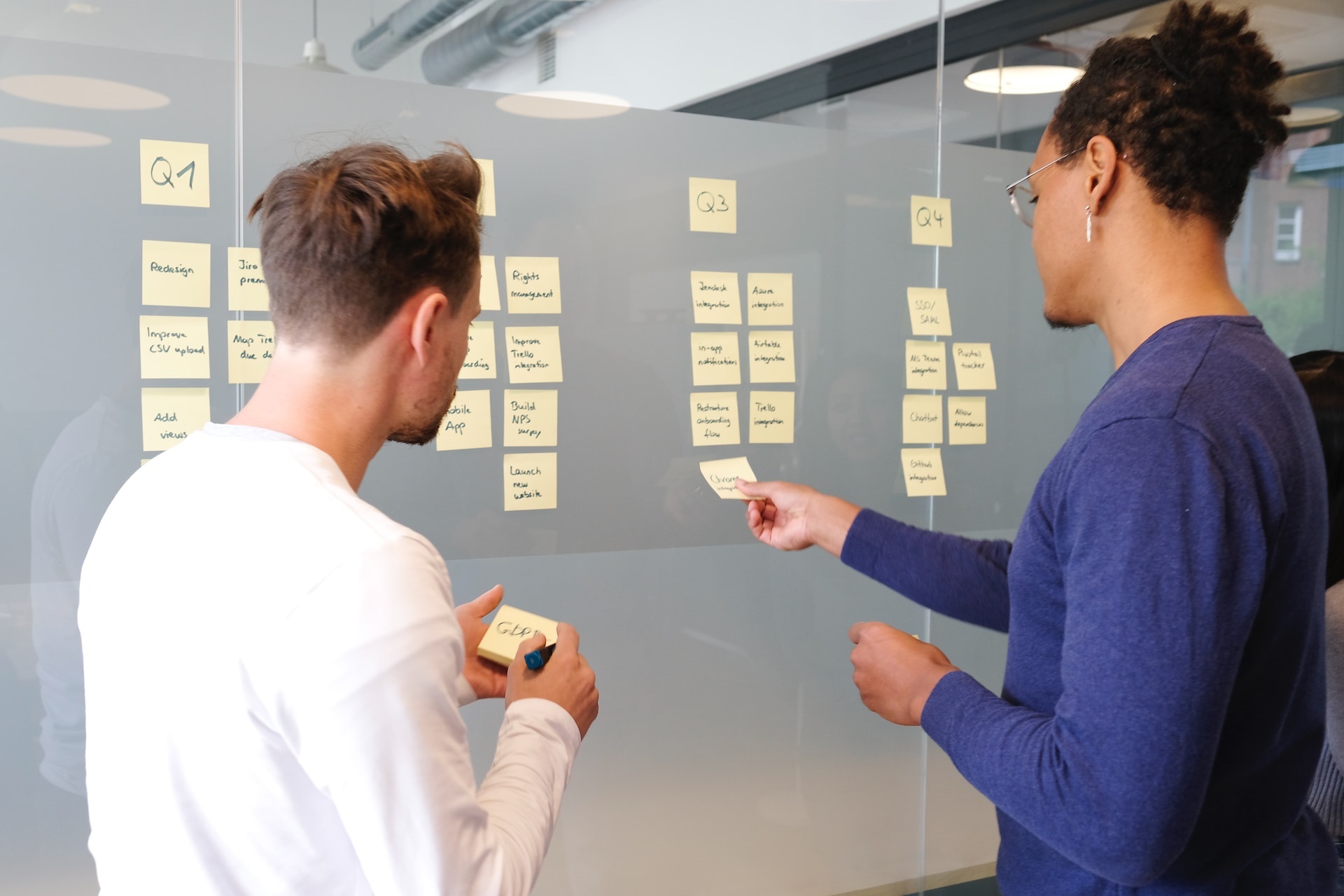
Affinity Mapping
A synthesis method where notes from research are grouped into themes. This makes patterns visible and drives shared understanding across teams.
Ideation Methods: Generating Solutions
Ideation focuses on possibilities. It’s where research meets creativity, and teams explore multiple directions before narrowing down to the best approach.
Design Studio Workshops
Teams sketch and present rapid design ideas around a shared problem. It encourages collaborative critique and diverse perspectives.
How Might We (HMW) Questions
Framing challenges as “How might we…” unlocks solution-oriented thinking. It turns problems into prompts.
Brainwriting
Similar to brainstorming, but done in writing and in silence. It allows every team member to contribute without interruption or hierarchy.
Prototyping Methods: Testing Ideas Without Full Build
Prototypes simulate aspects of the experience. They help test ideas early and reduce the risk of costly mistakes in development.
Wireframes
Wireframes are skeletal blueprints of page layouts, emphasizing structure and hierarchy over visuals. They’re quick to iterate and ideal for early validation.
Clickable Prototypes
Using tools like Figma or InVision, designers create interactive simulations of key flows. They make the experience feel real enough to test navigation and content.
Paper Prototypes
Low-fidelity sketches on paper help teams visualize and test ideas in a hands-on, informal way. They’re quick to discard and evolve.
Testing Methods: Validating Assumptions
Testing turns opinions into evidence. It reveals where users struggle, succeed, or disengage—and why.
Usability Testing
Participants complete tasks while observers note confusion, hesitation, or errors. Moderated sessions allow for follow-up questions, while unmoderated tools enable remote testing at scale.
A/B Testing
When multiple design variations are possible, A/B tests show which performs better in real-world scenarios. Best for refining call-to-actions, layouts, or headlines.
First-Click Testing
Evaluates if users can find what they need immediately. It helps measure the clarity of information architecture and navigation labels.
Heatmaps and Session Recordings
Analytics tools track mouse movement, scroll depth, and click behavior. These provide insights into real user interaction patterns.
Continuous Methods: Ongoing Improvement
UX isn’t one-and-done. It evolves with users, markets, and technologies. Continuous methods help maintain alignment.
Surveys and Feedback Loops
Short surveys and in-app feedback widgets capture user sentiment over time. They highlight friction points as they emerge.
UX Audits
Heuristic evaluations and accessibility checks help assess an existing product against best practices.
Design System Governance
Maintaining consistent design patterns, components, and accessibility standards ensures UX doesn’t degrade with scale.
Selecting the Right UX Method
Choosing a UX method depends on:
- Stage of the project (discovery, ideation, testing)
- Time and budget
- Team size and skillsets
- Type of product and complexity
It’s not about using every method—it’s about choosing intentionally. A lightweight method applied consistently often yields more value than a heavy method used poorly.
UX methods are more than checklists. They are the language of collaboration, the scaffolding of empathy, and the mechanism for turning insight into innovation. When used with purpose, they help create products that work not just for users, but with them.
Our published articles are dedicated to the design and the language of design. VERSIONS®, focuses on elaborating and consolidating information about design as a discipline in various forms. With historical theories, modern tools and available data — we study, analyze, examine and iterate on visual communication language, with a goal to document and contribute to industry advancements and individual innovation. With the available information, you can conclude practical sequences of action that may inspire you to practice design disciplines in current digital and print ecosystems with version-focused methodologies that promote iterative innovations.
Related Articles –
-

No Art Degree Required: What Design Thinking Really Means
-

The Collective Evolution of UX Design
-

The Secret Language of Tech Giants: Modern Design Systems
-

The Think/No-Think Approach in UX Design
-

Decoding the Power of User-Centric Design: Where Empathy Shapes Exceptional Experiences
-

User-Centric Design: How UX Design Empowers Users and Transforms Digital Experiences
-
Kano Model: A Stellar Product Management Method
-

Product Manager: Understanding the Role and Its Relationship with Product and UX Designers
-

How Cognitive Science is Transforming UI/UX Design Methods
-
Statistical Inference in UX Research: Enhancing Usability Through Quantitative Analysis