Table of Contents


Building Ideas Before They Break
Rapid prototyping isn’t just a technique—it’s a mindset. It invites iteration, welcomes imperfection, and thrives on speed. In the world of digital product design, it’s one of the most effective ways to explore ideas, validate assumptions, and reduce costly rework before code is ever written.
At its core, rapid prototyping is about creating simplified versions of a product—quickly and often—to test functionality, usability, and desirability. These prototypes can range from rough sketches and wireframes to clickable mockups and lightweight interactive flows. The goal is not to build something final, but to learn fast.
Why Rapid Prototyping Matters
Great ideas often fall apart in execution—not because they’re bad, but because they were never tested early enough. Rapid prototyping shortens the feedback loop between idea and outcome. It brings users into the design process, helping teams spot friction points before those points become embedded in development sprints.
By visualizing and interacting with a concept early, teams can:
-
Test hypotheses and UX flows
-
Compare competing design solutions
-
Identify navigation gaps and edge cases
-
Uncover accessibility issues
-
Align stakeholders on a shared vision
Instead of waiting for a finished product to evaluate effectiveness, rapid prototyping allows teams to fail forward—safely and intentionally.
How It Fits Into the Design Process
Rapid prototyping often follows initial research and ideation phases. Once teams gather insights from user personas, interviews, or stakeholder workshops, they begin crafting rough solutions. These solutions aren’t coded—they’re modeled. This might mean sketching a layout on paper, assembling a quick wireframe in Figma, or animating a transition in Principle.
These low- to mid-fidelity prototypes are shared with internal teams or users in testing environments. Based on reactions and feedback, the prototypes are refined—or scrapped entirely—in pursuit of a better path. This cycle of build–test–learn continues until the team feels confident moving to higher fidelity or functional prototypes for validation and handoff.
Forms of Rapid Prototypes
Different stages and goals call for different types of prototypes. Some of the most common forms include:
-
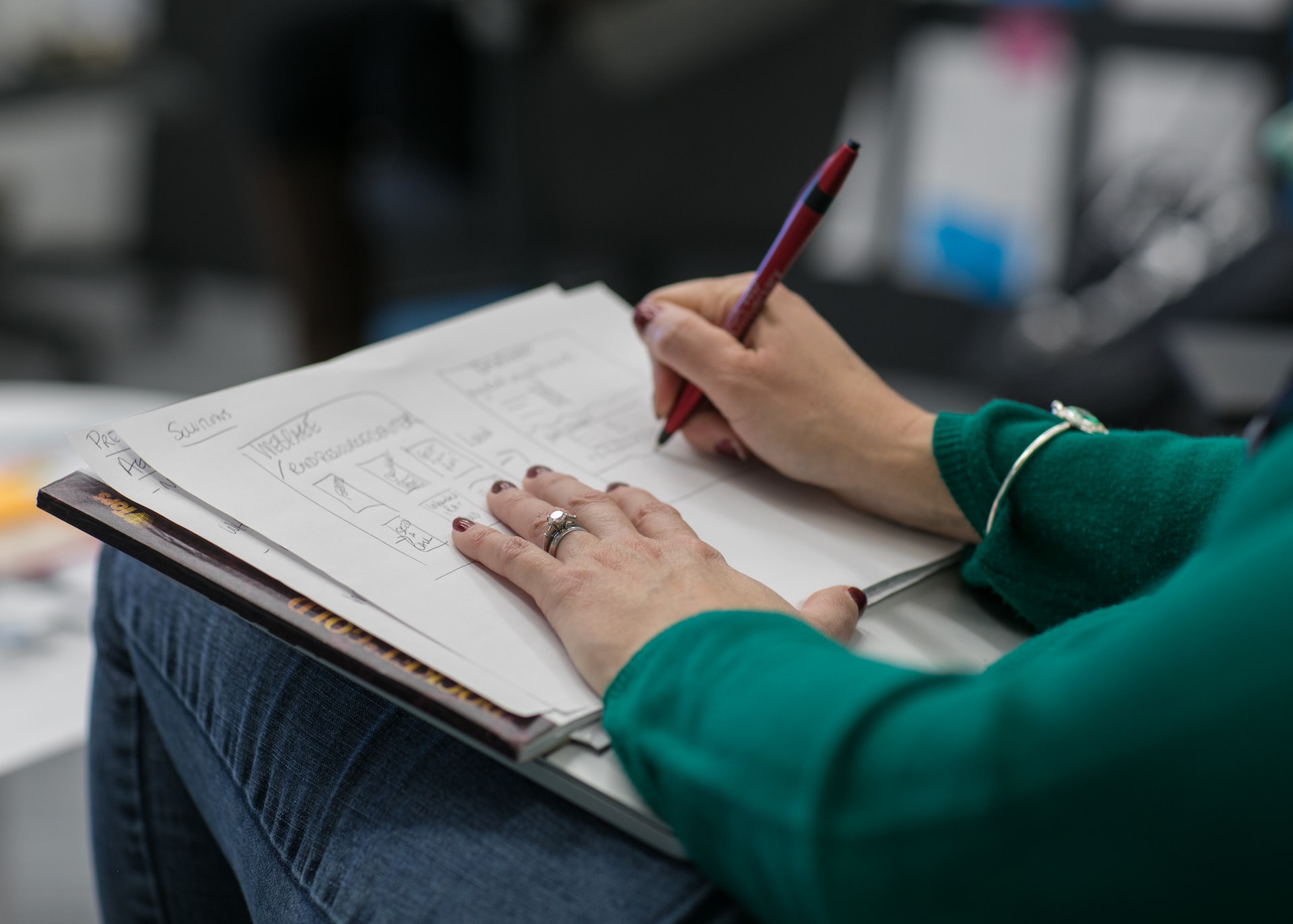
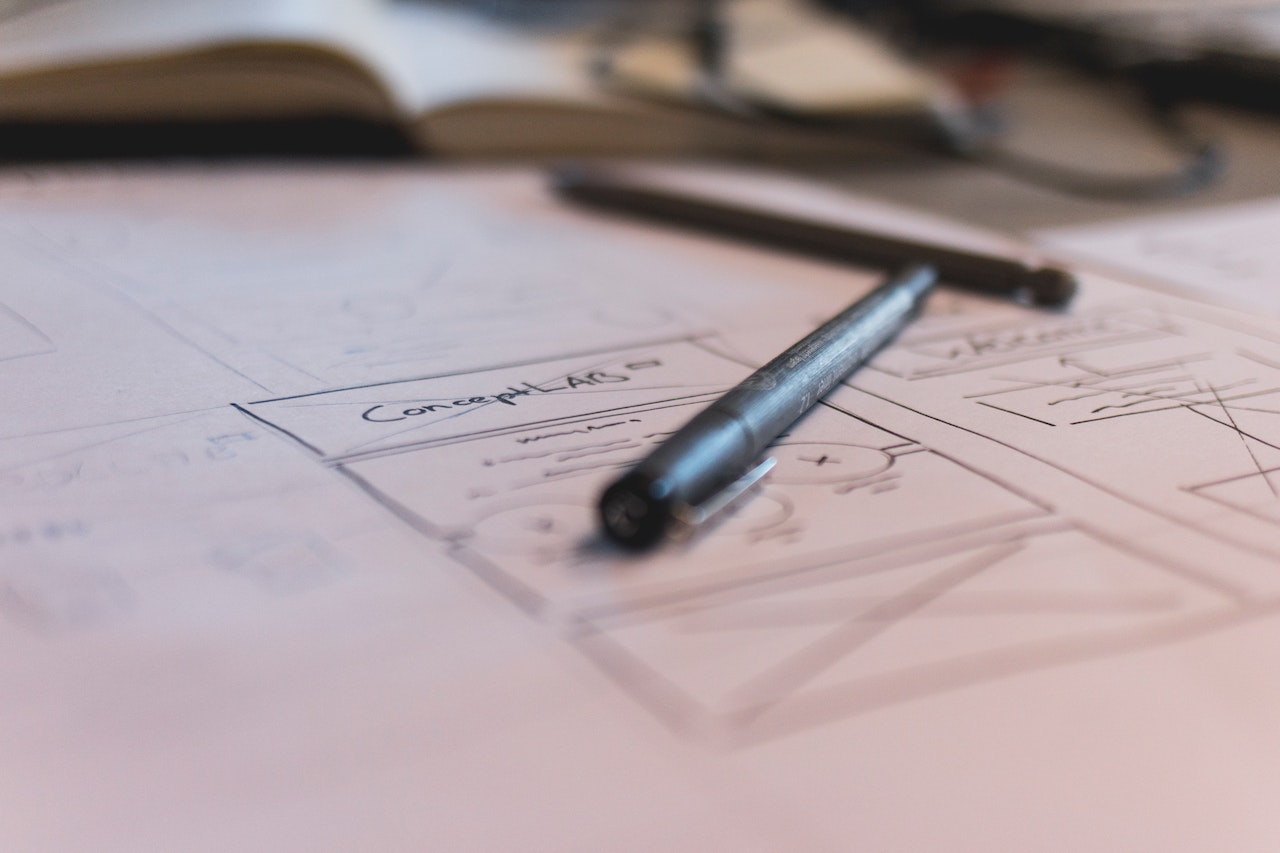
Paper prototypes: Hand-drawn mockups ideal for quick ideation and team critiques.
-
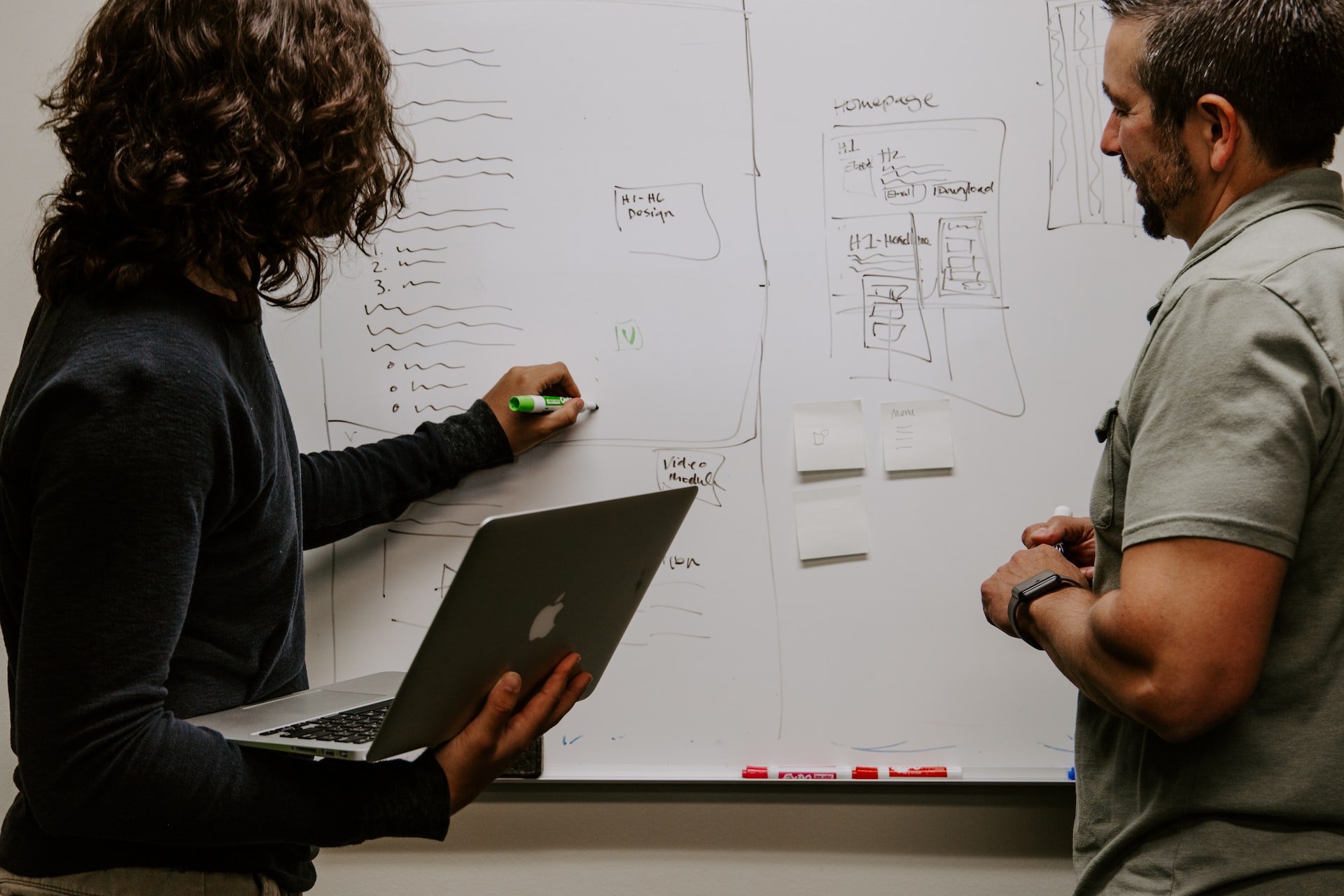
Low-fidelity wireframes: Greyscale layouts that map out structure, content, and key interactions.
-
Clickable prototypes: Tools like InVision, Adobe XD, or Figma enable teams to simulate basic flows and gather early feedback.
-
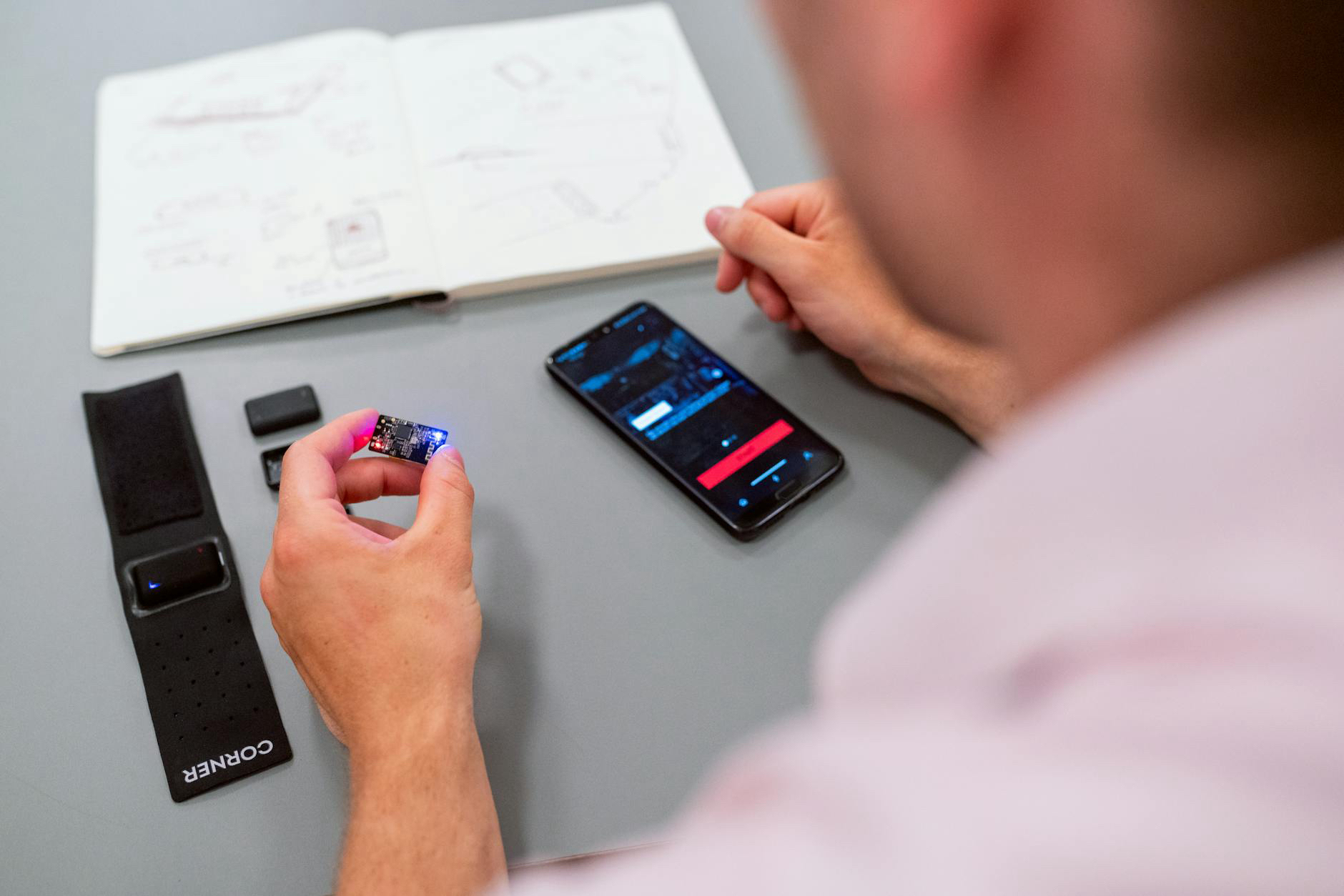
Functional mockups: Simple coded prototypes (e.g., HTML/CSS) used to test specific features or transitions with real data.
Each format is chosen based on time constraints, stakeholder needs, and what the team is trying to learn.
Benefits for Cross-Functional Teams
Rapid prototyping is not just a designer’s tool—it’s a collaborative process that brings designers, developers, strategists, and clients into alignment. It:
-
Clarifies intent before development begins
-
Avoids misinterpretation of requirements
-
Reduces back-and-forth revisions later in the process
-
Encourages shared ownership of the product vision
-
Gives developers tangible models to scope technical feasibility
Even in enterprise environments, where roadmaps are tightly managed, the ability to rapidly prototype in parallel with planning unlocks agility without sacrificing structure.
Rapid Doesn’t Mean Rushed
Speed is essential, but it’s not about racing. Rapid prototyping is purposeful. It prioritizes efficiency over polish, and iteration over perfection. A well-run prototyping sprint doesn’t just produce a better product—it improves team communication, sharpens user empathy, and de-risks investment.
What matters is the feedback it unlocks. It’s the clarity that comes from seeing a product before it’s finished. That clarity leads to better decisions, better experiences, and better outcomes.
When to Use It
Rapid prototyping shines in:
-
Early-stage product ideation
-
Redesign efforts with uncertain direction
-
Feature development with multiple implementation paths
-
Usability testing before development begins
-
Workshops or co-creation sessions with users or stakeholders
It becomes especially powerful when embedded as a habit rather than a one-off step. Teams that prototype regularly develop stronger instincts, better pattern recognition, and more scalable solutions.
The Value of Moving Early
The best products aren’t built—they’re shaped. Waiting for perfection delays progress. Rapid prototyping lets teams act early—when ideas are still fluid, feedback is most valuable, and the cost of change is low. It reduces the risks that come from building in isolation and helps teams surface better questions before committing to the wrong answers.
When you prototype early, you don’t just test the product—you test the thinking behind it. That’s where the real value lies. By making ideas visible and interactive, teams gain clarity, users feel heard, and solutions become more refined with each pass.
In a world that rewards speed and relevance, moving early isn’t reckless. It’s responsible.
Our published articles are dedicated to the design and the language of design. VERSIONS®, focuses on elaborating and consolidating information about design as a discipline in various forms. With historical theories, modern tools and available data — we study, analyze, examine and iterate on visual communication language, with a goal to document and contribute to industry advancements and individual innovation. With the available information, you can conclude practical sequences of action that may inspire you to practice design disciplines in current digital and print ecosystems with version-focused methodologies that promote iterative innovations.