
The Web: Where Experience, Interface, and Information Collide
The web was never meant to be static. From the moment it emerged, it was designed to link—not just computers—but people, ideas, and information. What began as a network of academic nodes and hyperlinked documents has become the most powerful medium of human communication, creativity, and commerce in history. And yet, for all its technological marvel, what truly defines the web today is not its complexity—but how it simplifies access, interaction, and understanding.
A Brief Reflection on Its Origins
The World Wide Web, introduced by Tim Berners-Lee in 1989, was originally intended to help researchers share data. HTML, URLs, and HTTP—the core building blocks—were tools to organize and retrieve information. The early web was text-heavy, slow, and largely read-only. But even in its infancy, it carried the seeds of what it would become: a democratized system for publishing, exploring, and connecting.
The Web as a Living Environment
Fast-forward to today, and the web has transformed into a living ecosystem—always evolving, always reacting. We no longer just access the web; we experience it. It’s where we learn, socialize, buy, build, create, and sometimes even live. Its reach spans every generation, every language, and nearly every culture. This shift from consumption to participation has been fueled by user-centered design—interfaces that invite interaction, not just observation.
What makes the web unique isn’t just that it delivers information. It’s how it delivers it—with interface and intention. Design has become inseparable from function. The color of a button, the flow of a page, the accessibility of navigation—all shape how we feel and what we do online. From e-commerce sites guiding customers to checkout, to educational platforms structuring knowledge for all learning styles, the experience is just as important as the content itself.
Human-Centered by Necessity
The web works best when it serves people, not when it overwhelms them. That’s why the best web experiences are rooted in usability, accessibility, and empathy. They reduce friction, guide attention, and make complex systems feel effortless. Whether someone is tapping through a mobile app or using assistive technology to browse a government service, the expectation is the same: Make it work for me.
This demand has led to a maturing of digital practices. Semantic HTML, responsive design, ARIA roles, WCAG guidelines—these aren’t trends; they’re table stakes. They’re how we make the web inclusive, how we ensure that the experiences we craft are reachable, readable, and resonant for everyone.
Information Flow as Architecture
Underneath every website lies an architecture of logic. Information hierarchy, content structure, metadata, and searchability define how users find their way. And like any good architecture, it isn’t just about form—it’s about flow. A news site may need real-time updates with layered categorization; a portfolio may hinge on visual hierarchy and minimal friction. The right flow helps users not just locate, but understand.
Every choice—every headline, breadcrumb, link, or section break—guides a person through content. Done right, the web becomes more than a channel. It becomes a path.
Communication, Evolved
At its heart, the web is still about connection. But what started as message boards and blogs has expanded into a vast network of two-way conversations. From video conferencing to real-time commenting, from forums to AI-powered chat, the web has removed distance as a limitation.
We don’t just receive content anymore—we respond to it. We annotate it, remix it, embed it, share it. Our relationships to brands, organizations, and even governments now live through digital dialogue. And this has redefined what communication means—not just clarity of message, but clarity of intent, design, and purpose.
The Role of AI in Today’s Web
Artificial Intelligence has quietly entered the web’s foundation. From search algorithms and recommendation engines to real-time translation and accessibility tools, AI now enhances everything from content delivery to user personalization. But AI doesn’t replace the web’s core—it amplifies it.
It helps structure vast information. It predicts needs. It enables more relevant, more intuitive experiences. And when paired with thoughtful design, it ensures those experiences remain human-first.
The future will no doubt see more intelligent systems, more automation, and even more immersive experiences. But the true test of the web will remain: Does it serve the user?
Behind the Screen: The Role of Web Development
None of what we experience on the web would exist without the work of developers. Web development is the unseen structure behind every digital moment—translating visual design into functional reality. From front-end code that shapes how pages render on different devices, to back-end systems that manage data, performance, and security, development is the operational backbone of the web.
Modern web development isn’t just about writing code—it’s about architecting experiences. Developers collaborate with designers, strategists, and content teams to ensure that the digital experience is fast, responsive, scalable, and accessible. They make interfaces dynamic, integrate APIs that extend functionality, and optimize everything from loading times to search engine visibility.
Frameworks like React, Vue, and Next.js, CMS platforms like WordPress and Drupal, and languages like HTML, CSS, JavaScript, and Python are more than tools—they’re part of a complex system that shapes the modern web. Development also plays a crucial role in compliance and accessibility, using semantic markup, ARIA labels, and structured data to make websites not only work but work for everyone.
And as AI begins to weave deeper into these systems—offering personalization, automation, and prediction—the developer’s role becomes even more central: ensuring that innovation doesn’t compromise usability, ethics, or inclusivity.
A Platform Without Borders
The web is not an app, a screen, or a browser tab—it’s a medium. One that transcends devices, platforms, and geographies. It’s one of the few places where creativity, commerce, community, and cause all intersect. And it’s not finished.
Every redesign, every launch, every interaction adds to this evolving environment. It’s not just about building websites. It’s about shaping the fabric of how we experience digital life. The best work on the web today does more than load quickly and look good—it thinks ahead. It adapts. It respects. It remembers that behind every click is a person.
Final Thought
The web changed everything. Not because it connected machines, but because it connected people in meaningful ways. And as we continue designing for this space—through better experiences, more inclusive interfaces, and thoughtful use of new technologies—our job is to keep that connection strong, relevant, and human.
Our published articles are dedicated to the design and the language of design. VERSIONS®, focuses on elaborating and consolidating information about design as a discipline in various forms. With historical theories, modern tools and available data — we study, analyze, examine and iterate on visual communication language, with a goal to document and contribute to industry advancements and individual innovation. With the available information, you can conclude practical sequences of action that may inspire you to practice design disciplines in current digital and print ecosystems with version-focused methodologies that promote iterative innovations.
Related Articles –
-

User-Focused: Mapping the User Journey
-

The Impact of Visual Balance in UI Design
-

The Evolution of Flat Design
-

Reflecting Brand Culture in Web Design Strategy
-
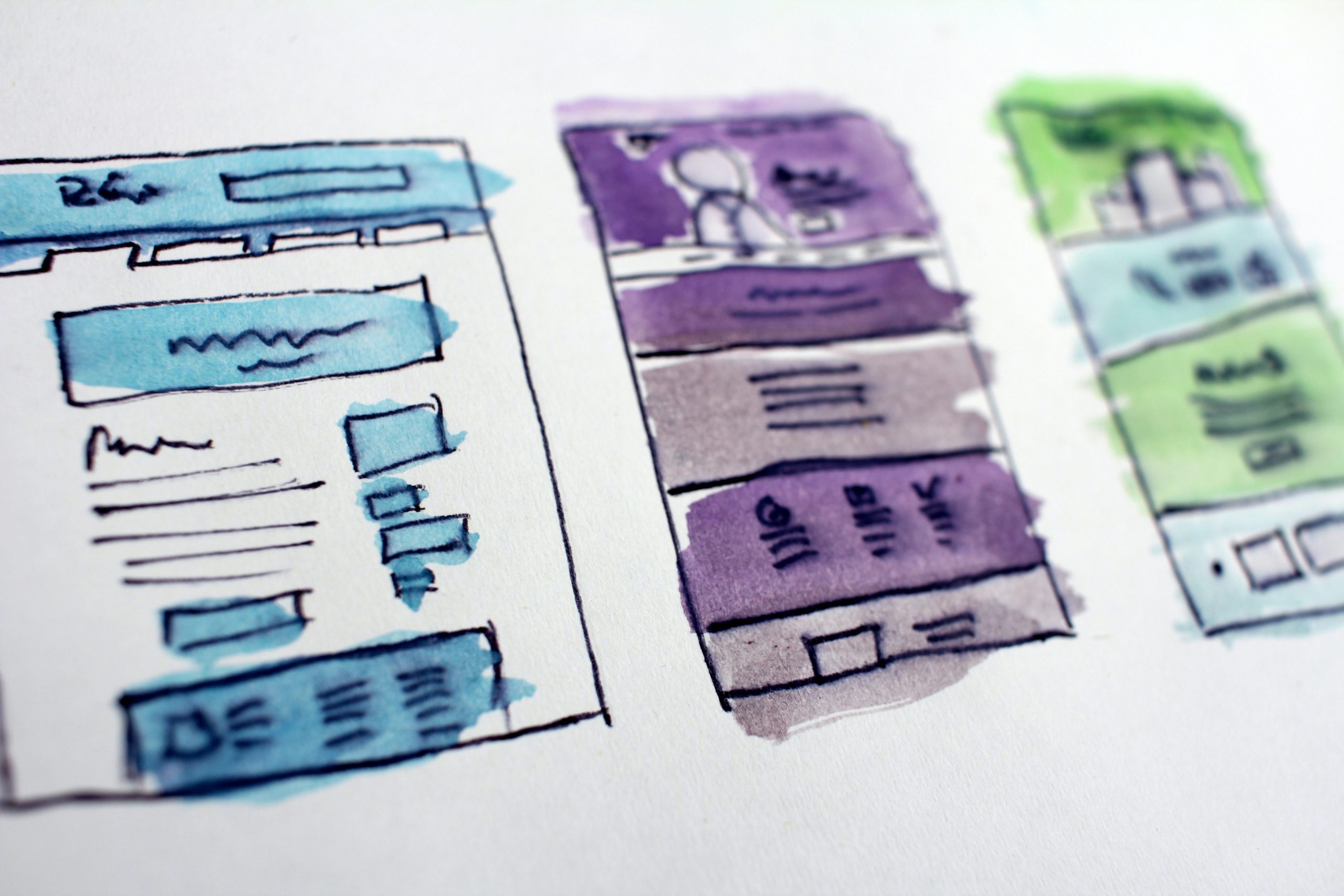
Visual Branding and How It Affects Your Web Design Decisions
-

What Companies Are Doing to Promote Their Brands on the Web
-

Digital Marketing in Today’s Ecosystem
-
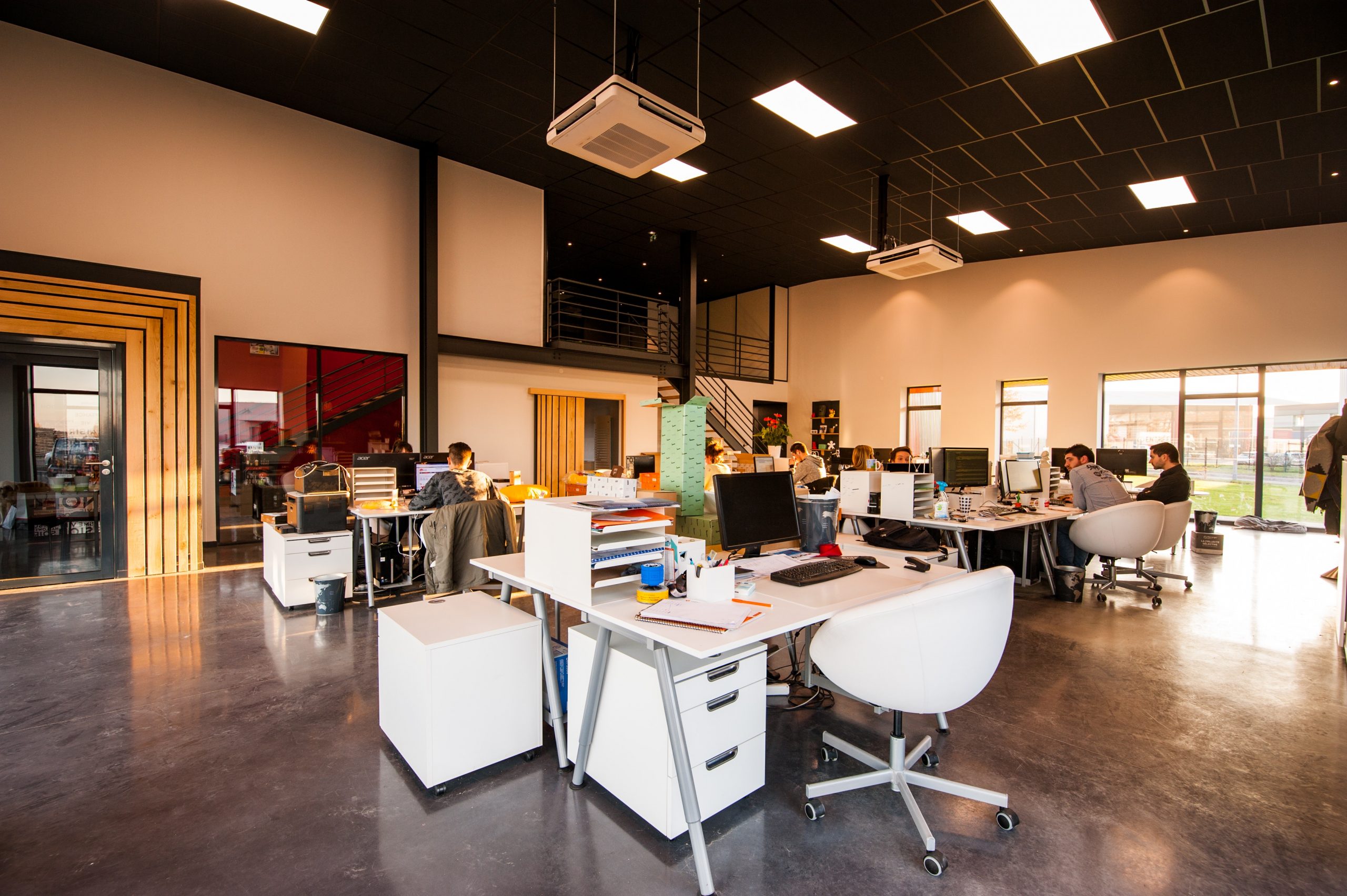
The Advantages of Working with a Local Creative Agency on Your New Web Design Project
-

Designing a Corporate Website
-

New TLD Registration Problems