Identity Design: Crafting the Face of a Brand
Identity design is more than a logo or a set of fonts. It’s the distilled expression of a brand’s character, values, and vision. It’s how a company introduces itself to the world—visually, emotionally, and strategically. From business cards to billboards, digital interfaces to packaging, identity design ensures that every touchpoint speaks with one cohesive voice.
But what does it really mean to design an identity? And why does it matter so much in a digital-first, attention-scarce world?
More Than Visuals—It’s Structure
At the heart of identity design is structure. It’s the scaffolding that holds a brand together and shapes how it’s perceived. This structure must balance consistency with adaptability. It needs to be recognizable at a glance but flexible enough to evolve across channels, cultures, and contexts.
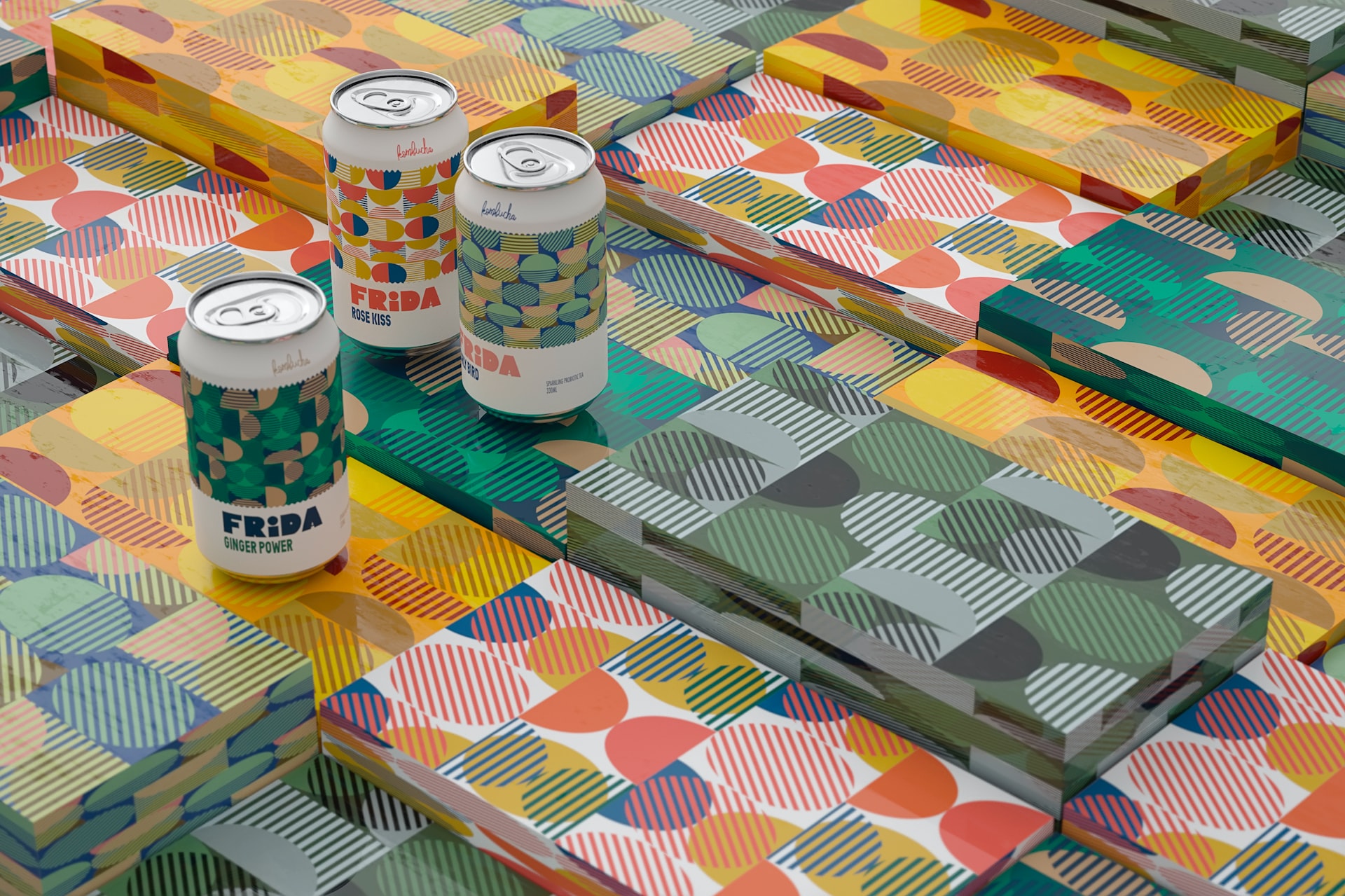
This is where visual systems come into play. A well-designed identity doesn’t just hand over a logo and a color guide. It defines the behavior of every element—how and when it shows up, how it moves, how it pairs with messaging, and how it responds to different formats. It’s a living system, not a fixed aesthetic.
The Core Components
While identity systems vary, they typically include a few foundational elements:
-
Logomark and logotype: A strong identifier, whether symbolic or typographic, sets the tone for the entire system.
-
Color palette: Chosen not just for visual appeal, but for emotional impact and usability across platforms.
-
Typography: Type is voice. It carries tone and rhythm, from bold and authoritative to quiet and refined.
-
Imagery and illustration styles: These create atmosphere and context, reinforcing the narrative.
-
Grid systems and spatial rules: They guide layout decisions and enforce balance, rhythm, and alignment.
But these are just building blocks. The real power of identity design lies in how these elements come together to tell a cohesive story.
Design as Translation
Identity design is a process of translation. It takes abstract ideas—like trust, innovation, accessibility, rebellion—and translates them into tangible form. Every shape, line, and color carries psychological weight. A rounded corner can make a brand feel friendlier. A stark monochrome palette can signal precision or sophistication. These are not accidental choices—they are crafted through deep understanding of both the brand and the audience.
And because audiences are diverse, the design must account for perception. What feels bold in one context may feel abrasive in another. What looks premium in one market might appear sterile elsewhere. This is why identity design is as much about listening as it is about creating.
The Research Behind the Visual
Every identity project begins with discovery. Before a single sketch is made, the design team dives deep into brand values, business goals, audience expectations, and industry trends. This stage is part strategy, part anthropology. It’s about understanding what the brand stands for—and what it doesn’t.
Interviews, audits, competitive analysis, and mood boards help frame the emotional and functional goals. These insights are what inform the direction, ensuring the final design isn’t just attractive—it’s authentic.
Designing for Meaning and Memory
A successful identity isn’t just one that looks good. It’s one that sticks. It should be easy to recall, hard to confuse, and able to build equity over time.
That’s where distinctiveness matters. In saturated markets, sameness is the enemy. Brands that lean too heavily on trends risk blending into the noise. Identity design must walk the line between familiarity and originality. It should feel right—but also fresh.
And while aesthetics are key, clarity is non-negotiable. If people can’t read your logo, if your color contrast fails accessibility standards, or if your type doesn’t scale across screens, the identity fails in function. Design has to work—not just inspire.
From Static to Responsive Identity
Today’s identity systems are no longer static. They live across apps, social media, motion graphics, and dynamic interfaces. As a result, modern identity design embraces motion, interaction, and responsiveness.
We’re seeing brands adopt flexible logos, modular design elements, and adaptive layouts that morph depending on where and how they’re used. This kind of responsive identity design accounts for different screen sizes, languages, content types, and audience needs—without sacrificing cohesion.
Identity vs. Brand: What’s the Difference?
It’s important to separate identity from the broader idea of brand. A brand is the full ecosystem—how people perceive, experience, and remember a company or product. Identity is the visual and verbal layer that helps guide that perception.
Think of identity as the interface for the brand’s soul. It doesn’t create trust, loyalty, or emotion on its own—but it sets the stage for those relationships to form. And in moments of choice—when someone’s scrolling, comparing, or deciding—identity becomes the shorthand for everything a brand stands for.
A Legacy in Motion
Identity design is never finished. As companies grow, evolve, merge, or pivot, their identities need to evolve too. But a well-built system allows for this growth without rupture. It builds in flexibility while maintaining the core DNA.
Some of the most iconic brands in the world—Apple, Nike, IBM—have evolved their identities without losing recognition. This is the power of a strong foundation. When the thinking is right, the execution can shift with the times without sacrificing clarity.
Why Identity Design Matters
In a world where impressions are made in milliseconds, identity design is one of the most critical investments a brand can make. It influences recognition, communicates intention, and serves as a vehicle for trust.
Done well, it becomes a language that transcends words. It tells people not just what you do, but who you are. And when that language is clear, consistent, and compelling, it doesn’t just make a brand look better—it helps it connect, grow, and endure.
Our published articles are dedicated to the design and the language of design. VERSIONS®, focuses on elaborating and consolidating information about design as a discipline in various forms. With historical theories, modern tools and available data — we study, analyze, examine and iterate on visual communication language, with a goal to document and contribute to industry advancements and individual innovation. With the available information, you can conclude practical sequences of action that may inspire you to practice design disciplines in current digital and print ecosystems with version-focused methodologies that promote iterative innovations.