
Strategy: The Invisible Architecture of Impact
In any creative or digital process, strategy is the scaffolding you don’t always see—but without it, nothing stands. It’s not just a plan or a roadmap. It’s the logic, intention, and foresight that connects a problem to a solution and an idea to its outcome. Strategy is what separates guesswork from guidance, chaos from coherence.
Designers, developers, marketers, and brand leaders alike often deal with tangible outputs—interfaces, layouts, campaigns, experiences. But those outputs only resonate when they’re backed by strong strategic thinking. Strategy is the filter that helps decide what not to do. It brings priorities into focus, aligns efforts across disciplines, and ensures every touchpoint reinforces the bigger picture.
What Strategy Means in Design and Experience
In the context of design, strategy is less about aesthetic decisions and more about purposeful decisions. It’s about knowing who you’re designing for, why it matters, what story you’re telling, and how the solution fits into a broader ecosystem.
Strategic design considers:
-
User behavior and motivations
-
Brand identity and tone
-
Platform constraints and opportunities
-
Business goals and competitive landscape
-
Cultural shifts and future trends
Strategy ensures that design is not just beautiful, but meaningful. That interfaces are not only functional, but intuitive. That branding is not only recognizable, but relevant. In other words, strategy turns creative efforts into measurable outcomes.
Strategy Is a System, Not a Step
One of the biggest misconceptions is treating strategy like a phase—something to get out of the way before the “real” work begins. In reality, strategy is an ongoing process. It adapts. It responds to data. It evolves alongside users, technology, and the market.
In UX, this might mean running usability tests and adjusting flows. In branding, it might involve revisiting positioning to better align with shifting audience expectations. In development, it could mean refining a CMS integration approach based on new scalability needs.
A strategic mindset doesn’t just launch projects—it steers them.
Strategy in Action: Aligning Vision with Execution
At its core, strategy creates alignment. It connects:
-
Vision to execution – translating big ideas into actionable steps
-
Brand to audience – ensuring messaging speaks directly to the right people
-
Design to development – ensuring the interface is both beautiful and buildable
-
Short-term goals to long-term outcomes – so nothing is done in isolation
Without alignment, even the best ideas can become diluted through inconsistent implementation. Strategy keeps the center intact, so the work scales without losing its identity.
A strong strategy answers foundational questions:
-
What are we solving?
-
Who are we solving it for?
-
Why now?
-
What does success look like?
-
What should we measure—and why?
These questions shape decisions, reduce ambiguity, and guide collaboration across teams.
The Strategic Stack: Brand, Content, Design, Development
In multidisciplinary environments, strategy operates on multiple levels at once:
-
Brand strategy defines how a company shows up in the world—its voice, promise, and personality.
-
Content strategy shapes what gets said, how, and where—based on audience needs and user journeys.
-
Design strategy influences visual systems, interaction models, and overall user experience.
-
Development strategy ensures what’s built is scalable, secure, accessible, and optimized for performance.
Each discipline contributes its lens, but strategy ensures these lenses are focused on the same point. It prevents silos and supports cohesion—so users don’t feel like they’re interacting with different personalities at every stage.
Strategy Is Not Just for Leaders
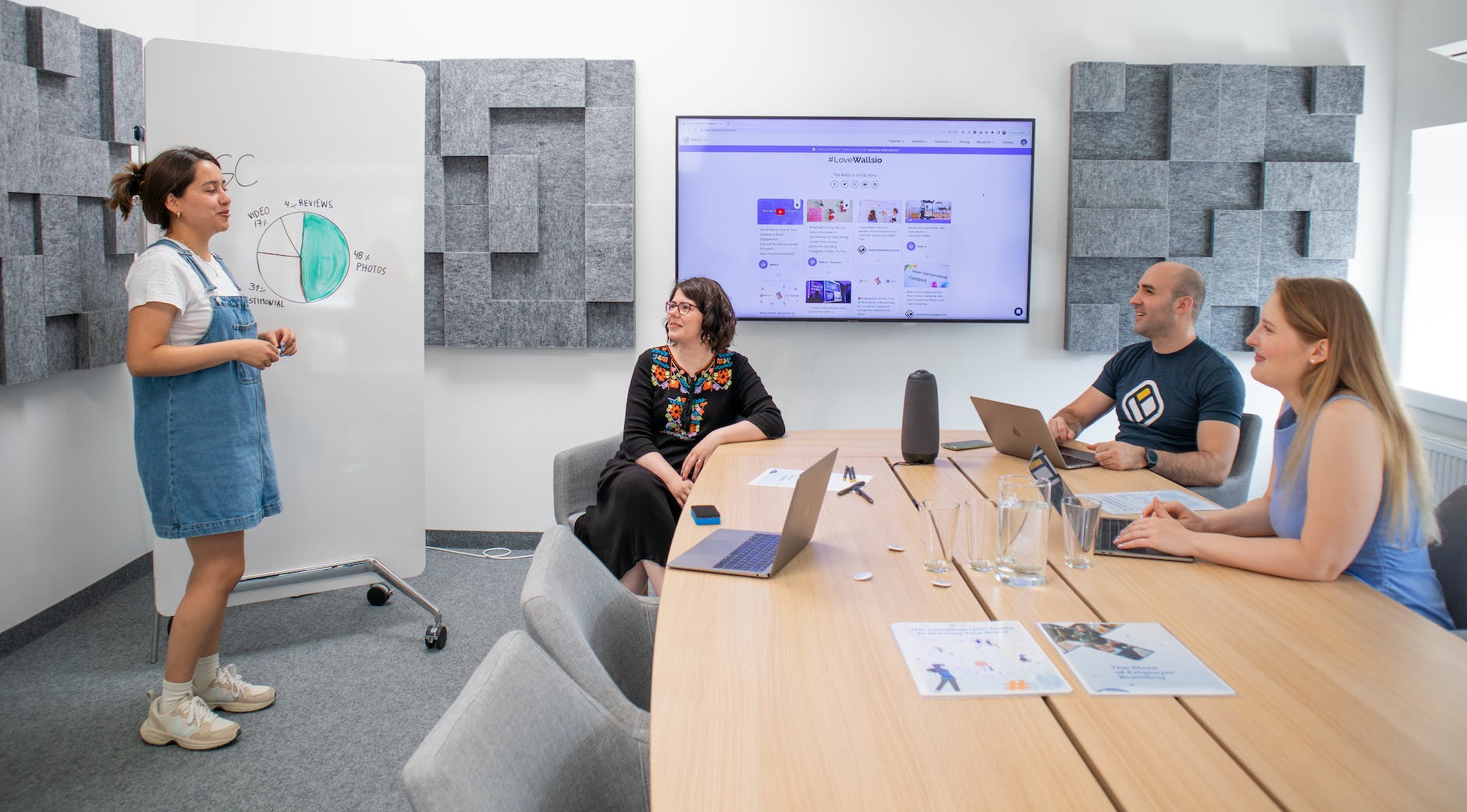
While strategic decisions are often led by directors, strategists, or founders, the best strategies are co-owned. Developers influence technical feasibility. Designers challenge assumptions through prototypes. Content creators bring clarity through narrative. Researchers reveal user truths that can reshape direction entirely.
Strategy is a conversation, not a command.
That’s why workshops, discovery phases, and collaborative planning sessions matter. They create space for critical input, expose blind spots early, and build team buy-in. When strategy is built together, execution becomes more aligned, and outcomes become more sustainable.
Navigating Change with Strategy
In a fast-moving environment—where platforms evolve, audiences shift, and new competitors emerge weekly—strategy is a stabilizer. It provides a north star, even when the path forward is foggy.
More importantly, it allows for intentional pivoting. When grounded in strategy, teams can respond to change without losing their way. They can test, iterate, and evolve without guessing.
Whether it’s a brand refresh, a digital transformation, or a platform migration, strategic foresight reduces risk and maximizes opportunity. It moves companies from reactive to proactive.
Strategy Is a Design Discipline
Just like color theory or typography, strategic thinking is a core design discipline. It’s not limited to business units. It belongs in every sketch, sprint, and specification.
It teaches us to ask better questions before drawing conclusions. It rewards curiosity, clarity, and coherence. It holds us accountable to purpose—reminding us that good design is not just how something looks or works, but why it exists at all.
Strategy is what gives design its reason, code its architecture, content its voice, and brand its clarity. It’s the invisible framework behind the visible result. When we prioritize strategy, we don’t just create—we create with direction, with confidence, and with lasting impact.
Our published articles are dedicated to the design and the language of design. VERSIONS®, focuses on elaborating and consolidating information about design as a discipline in various forms. With historical theories, modern tools and available data — we study, analyze, examine and iterate on visual communication language, with a goal to document and contribute to industry advancements and individual innovation. With the available information, you can conclude practical sequences of action that may inspire you to practice design disciplines in current digital and print ecosystems with version-focused methodologies that promote iterative innovations.
Related Articles –
-
Unlocking The Invisible Power of UX-Led Processes
-

The Psychology Behind UX Design: Understanding Human Behavior for Enhanced User Experiences
-

The Proper Way of Creating User Personas: A Guide for UX Designers
-

Tracking Metrics for the Success of a Product or Design
-

Collaborating with Change Makers
-

The Creative Process: Embracing Ambiguity
-

User-Focused: Mapping the User Journey
-

Why Culture Matters When Selecting a Creative Agency
-
Creating a Brand Style Guide: The Essentials
-

Defining the User Journey in UI Design