
Table of Contents


Iterative Design: A Framework for Evolving Experiences
Iterative design is not a trend—it’s a foundational methodology for creating meaningful, user-centered experiences. It involves designing, testing, analyzing, and refining a product or system in repeated cycles, each one informed by feedback and performance. Instead of aiming for a final, perfect version, iterative design embraces continuous evolution.
What Is Iterative Design?
Iterative design is a cyclical process of prototyping, testing, analyzing, and refining a product. Unlike linear approaches where design is locked in early, iterative design allows teams to remain adaptive and responsive throughout the lifecycle of a project. Each version, or iteration, becomes an opportunity to learn, reduce friction, and improve clarity.
This approach aligns tightly with human-centered design principles, placing real user behavior and feedback at the core of decision-making.
The Structure of an Iterative Design Cycle
The iterative design model typically follows this pattern:
-
Ideate – Define objectives and generate possible solutions.
-
Prototype – Build early, testable versions of those ideas.
-
Test – Observe user interaction and gather feedback.
-
Analyze – Identify what works, what doesn’t, and why.
-
Refine – Adjust the design based on insights.
-
Repeat – Restart the cycle with improvements.
The cycle continues until the solution meets goals, user needs, and design standards.
Why Iterative Design Works
Iterative design shifts focus from hypothetical perfection to tested functionality. It creates space for exploration, allows time for testing assumptions, and reduces the risk of designing in isolation from real user contexts.
The approach works because it is:
-
Evidence-driven – Grounded in observable data.
-
User-focused – Informed by interaction and behavior.
-
Flexible – Open to pivoting when assumptions are disproven.
-
Efficient – Problems are identified early, saving time and cost later.
Iterative design turns unknowns into clarity—one revision at a time.
Rapid Prototyping and Iterative Design
Rapid prototyping is a core part of iterative design. It emphasizes building just enough to test a hypothesis, not perfecting every detail from the start.
These prototypes may be:
-
Paper sketches
-
Wireframes
-
Interactive mockups
-
Clickable user flows
-
Low-fidelity simulations
Their value isn’t in polish, but in speed to feedback. A rough idea, placed in front of users, can reveal more than a week of internal debate.
Real-World Examples of Iterative Design
1. Interface Optimization
A form with high drop-off rates might be restructured—one field at a time—based on user heatmaps and interaction patterns.
2. Visual Identity Development
A new brand mark is sketched, reviewed, refined, and then tested at different scales and formats—web, print, motion—before finalizing.
3. Content Strategy
A landing page headline is A/B tested across different cohorts. Iterations are guided by click-through rates, scroll depth, and conversion metrics.
Each example reflects a mindset where decisions are not fixed but shaped by insight.
Iterative Design in Agile Environments
Agile and iterative design share a natural alignment. In Agile, work is broken into short, reviewable cycles called sprints. Similarly, iterative design encourages constant feedback and adjustment—making it ideal for Agile teams.
The benefit: design evolves in sync with development, not ahead or behind it. Design isn’t handed off; it moves forward in collaboration with engineering, QA, content, and marketing.
Tools That Support Iterative Design
Modern design environments are built for iteration. These tools enable collaborative updates, version tracking, user testing, and stakeholder reviews:
-
Figma – Real-time collaboration and versioning.
-
Maze / UsabilityHub – Remote usability testing.
-
Hotjar / FullStory – Behavior analytics to inform iteration.
-
InVision – Interactive prototyping and commenting.
Version control, feedback layers, and real-user inputs are essential features of any iterative design process.
User Feedback as a Design Input
The strength of iterative design depends on the strength of the feedback loop. It’s not enough to collect opinions; feedback must be timely, relevant, and actionable.
Design teams should seek:
-
Quantitative Data – Metrics, heatmaps, drop-off points.
-
Qualitative Feedback – Usability testing, interviews, open-ended input.
-
Contextual Insight – Where, when, and how the feedback emerged.
Not all feedback should be acted on—but all of it should be listened to. Design maturity includes knowing how to balance user voice with strategic intent.
Risks of Non-Iterative Approaches
When design is treated as a linear task with a fixed endpoint:
-
Teams invest heavily in unproven assumptions.
-
User behavior is revealed too late to adapt.
-
Large changes become cost-prohibitive.
-
Stakeholder expectations get locked before validation.
Iterative design mitigates these risks by uncovering issues earlier, adjusting gradually, and building alignment over time.
When to Pause Iteration
Endless iteration can become a trap. Knowing when to pause is part of the discipline. Indicators it may be time to move forward:
-
User testing results are consistent and positive.
-
Goals and success metrics are being met.
-
Further changes introduce complexity without value.
Iteration is not about tinkering endlessly. It’s about learning efficiently. When learning plateaus, it’s time to scale, ship, or reframe.
Iterative Design as Culture
Teams that thrive with iterative design typically share these cultural traits:
-
Openness to critique – Feedback is a tool, not a threat.
-
Bias toward action – Decisions are tested, not debated indefinitely.
-
Shared ownership – Everyone is part of the design process.
-
Comfort with change – No version is sacred. Everything can improve.
In environments like this, design becomes a living system, not a one-time deliverable.
Final Thoughts
Iterative design is not about doing more—it’s about doing smarter. It helps teams solve the right problems, build the right things, and refine them in a way that aligns with real users and measurable outcomes. From digital products to brand ecosystems, design ensures that what we create continues to evolve, adapt, and deliver value over time.
It’s a framework. It’s a philosophy. And it’s how meaningful experiences are built—version by version.
Our published articles are dedicated to the design and the language of design. VERSIONS®, focuses on elaborating and consolidating information about design as a discipline in various forms. With historical theories, modern tools and available data — we study, analyze, examine and iterate on visual communication language, with a goal to document and contribute to industry advancements and individual innovation. With the available information, you can conclude practical sequences of action that may inspire you to practice design disciplines in current digital and print ecosystems with version-focused methodologies that promote iterative innovations.
Related Articles –
-

How to Improve Website Traffic with UX
-

UX Analysis, Design Strategy, and Execution: Human vs. AI in Practice
-

The Journey of User Experience Design for a New Web Design or Site Redesign
-
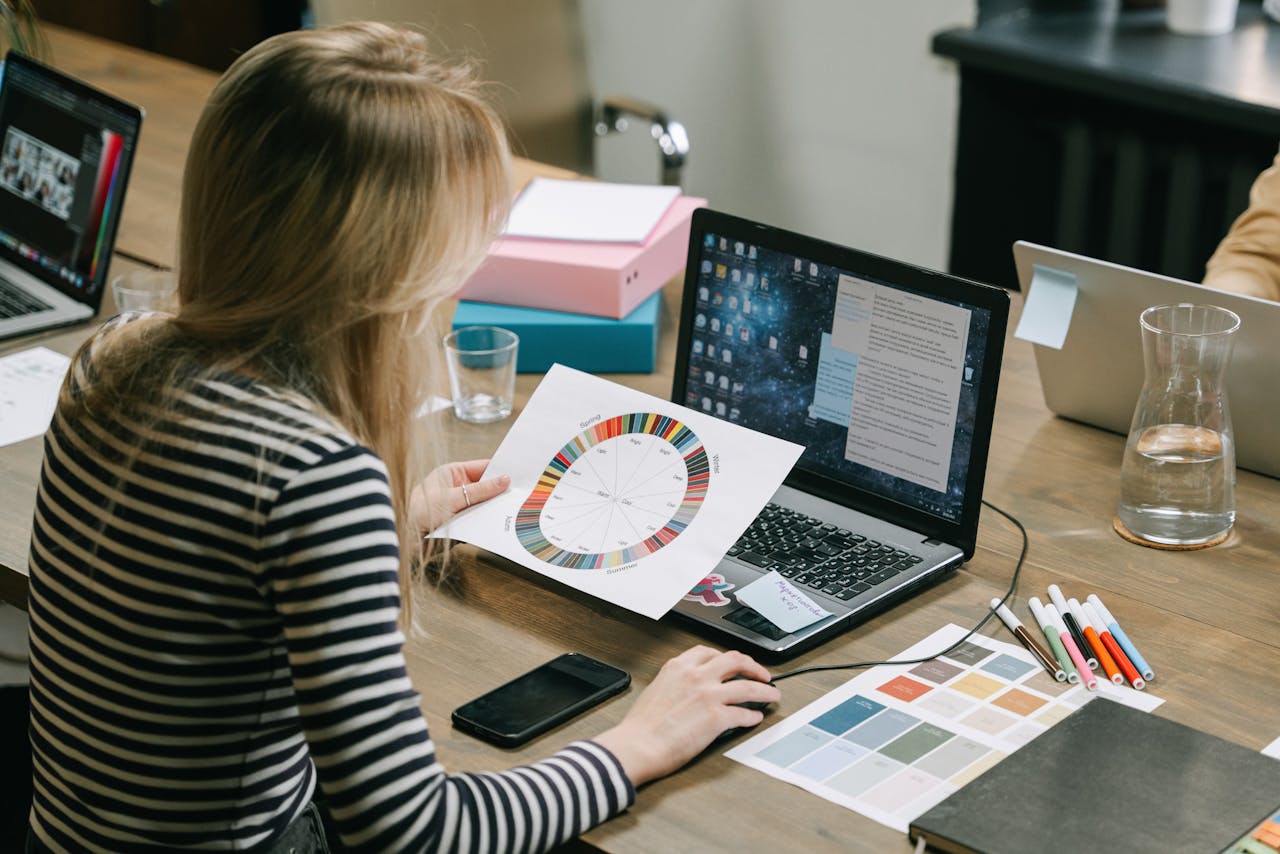
Best Practices to Consider Post-Brand Design Refresh
-
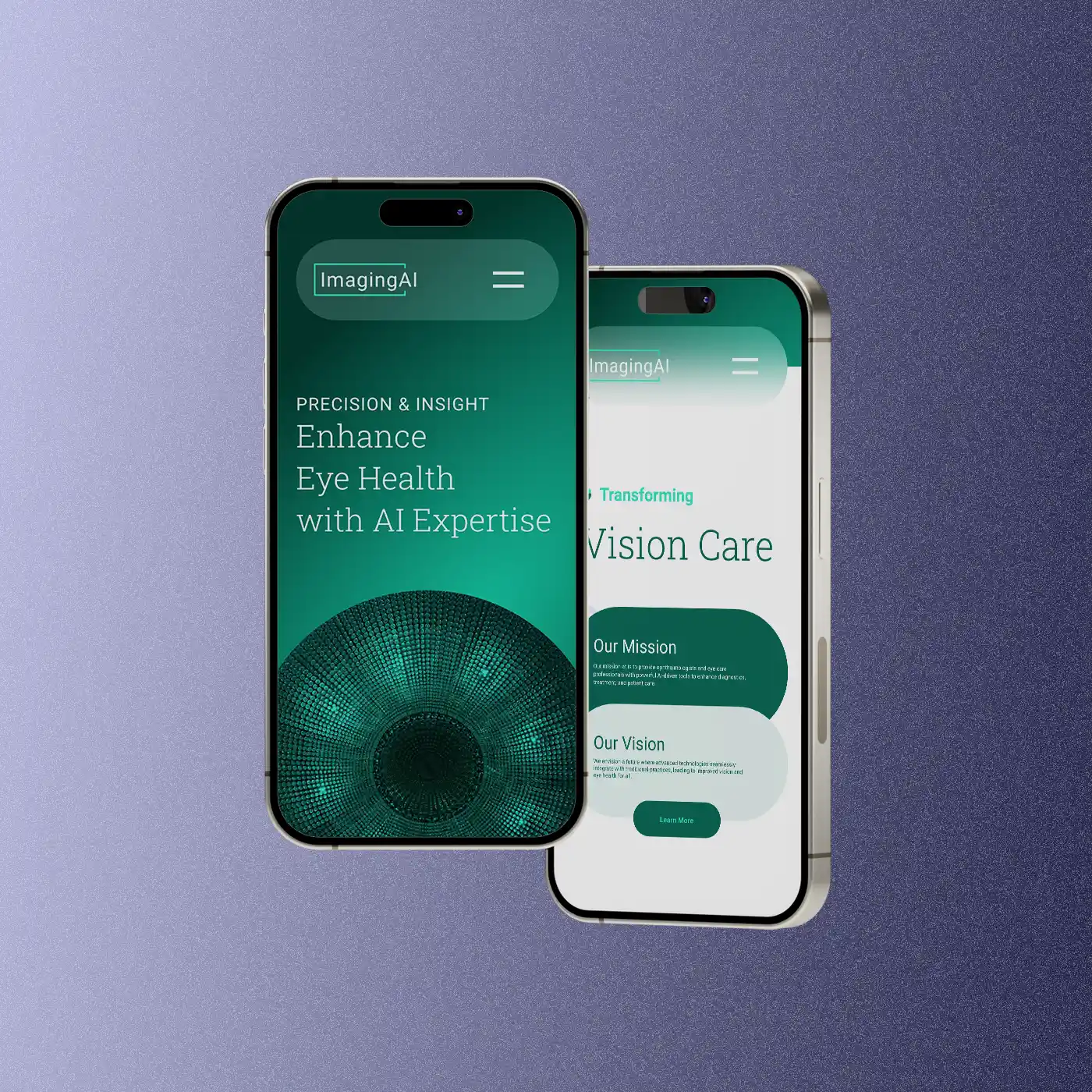
Design Systems and AI Technology
-

Feedback Loops: The Engine Behind Meaningful Design Iteration
-

Decoding the Power of User-Centric Design: Where Empathy Shapes Exceptional Experiences
-

User-Centric Design: How UX Design Empowers Users and Transforms Digital Experiences
-

UX Design Metrics: Measuring Success and Driving Continuous Improvement
-

Human-centric Design is Often Based on Versioning and Iterations