Table of Contents


Purpose Without Interruption
No, minimalism is not about reduction. It’s about purpose without interruptions. It’s about clarity in expression and precision in execution. Minimalism strips away what doesn’t serve the core message—not for the sake of emptiness, but to protect meaning. It doesn’t ask “What can we remove?” but “What deserves to stay?”
Minimalist design is deliberate. It is functional without being sterile, expressive without being excessive. And in a world that constantly competes for attention, minimalist design holds its power by getting out of the way—so users can focus, act, and understand.
A Philosophy of Intentionality
The minimalist approach is rooted in a philosophy that spans disciplines—from Japanese Zen aesthetics and Bauhaus rationalism to modern digital interaction. Its central belief: form follows function, and everything present should support the user’s understanding or engagement.
Minimalism invites intentionality. Whether it’s a product, a layout, or a brand identity, the goal is not to decorate, but to communicate.
The Essence of Minimalist Design
True minimalist design is not about having less—it’s about ensuring that everything has a role. The following principles shape its execution:
Clarity Over Decoration
Minimalist systems communicate without ornament. There’s no need to embellish when the content or message is already strong. Instead of visual filler, clarity is established through composition, whitespace, and hierarchy.
Function Over Novelty
Every element must be usable, readable, or communicative. Buttons look like buttons. Typography speaks the tone. Colors are there for reason, not trend. Interactions are intuitive because they are familiar and unburdened.
Space as Structure
Whitespace—negative space—isn’t empty. It defines relationships, establishes rhythm, and gives the user pause. It is the scaffolding that organizes information and lets the message breathe.
Typography as Design
In minimalist design, type is not just copy—it is the voice and structure of the interface. Font choice, size, weight, and spacing are carefully tuned to align with tone, function, and accessibility.
Systems Thinking
Minimalism is systemic. It favors grid structures, modularity, and scalable design systems. Reusability and consistency are not aesthetic preferences—they’re functional assets.
Minimalism in User Interfaces and Digital Experiences
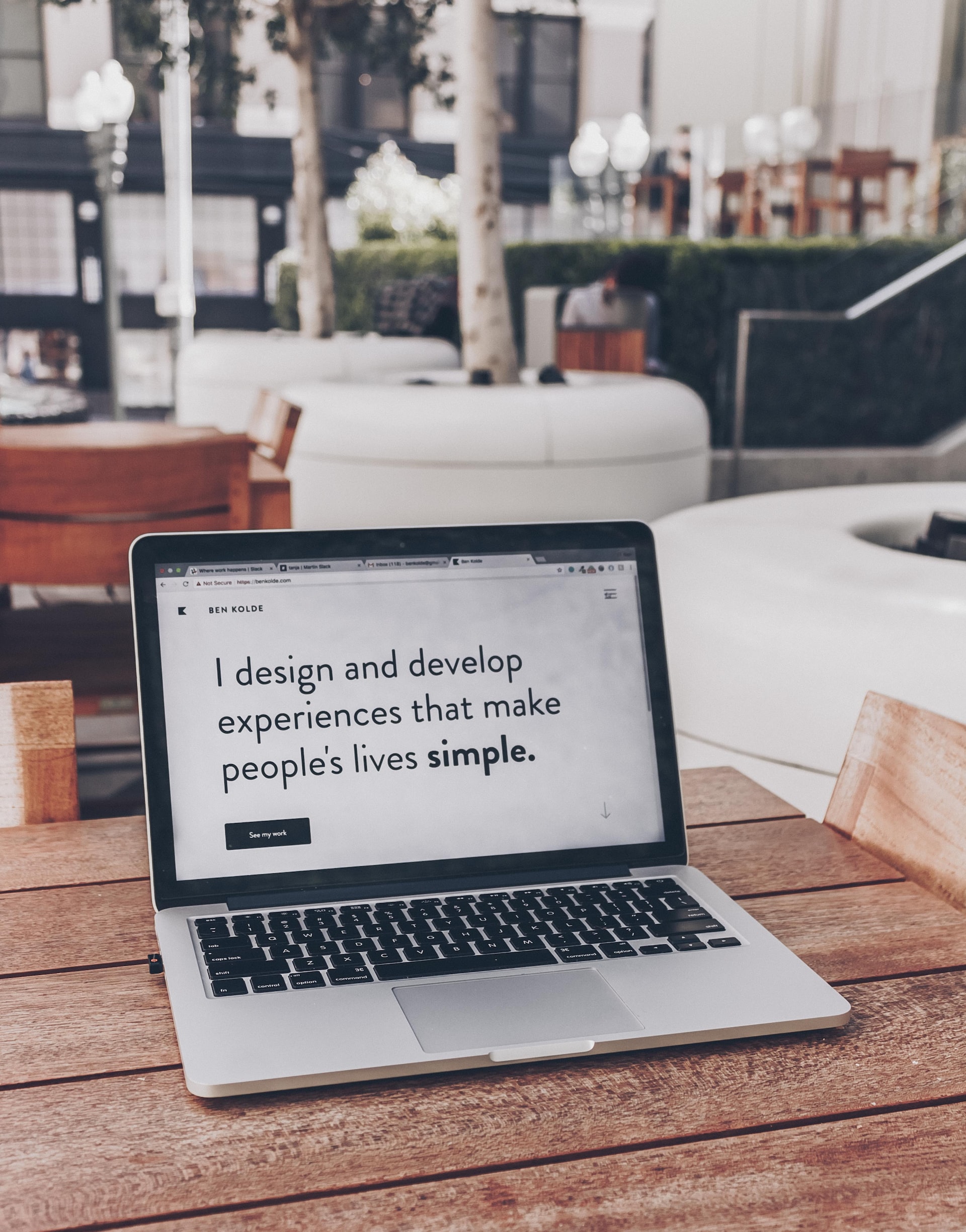
Minimalist interfaces remove unnecessary elements to emphasize interaction and content. But this doesn’t mean they are bare or cold. Instead, minimalist UI design provides:
-
Faster load times through lighter assets
-
Improved focus by reducing competing elements
-
Accessible reading with strong contrast and scalable type
-
Responsive design that adapts naturally across screens
For users, this translates to ease of use. For teams, it creates efficient systems that are easier to maintain and scale.
But minimalism isn’t automatic simplicity. Too much abstraction can frustrate users. Successful minimalist UX maintains affordance, feedback, and guidance—ensuring that nothing important is hidden behind aesthetic purity.
Branding With Minimalism
Brands that embrace minimalist design often do so to express confidence and sophistication. A minimalist identity system may consist of:
-
A strong logomark or wordmark
-
A limited but distinctive color palette
-
Simple typographic pairings
-
Clear grid structures for layout
This approach increases brand memorability, allows for seamless cross-platform translation, and projects a consistent, elevated image.
Think of the world’s most recognized brands—Apple, Muji, Uniqlo, Tesla. Their visuals are simple, but their presence is powerful. Minimalism in branding doesn’t mean silence—it means focus.
The Creative Challenge of Minimalism
Designing minimally is often more difficult than designing decoratively. It demands discipline and iterative refinement. Common challenges include:
-
Achieving visual interest without noise
-
Creating emotional resonance without imagery
-
Ensuring usability with fewer visual cues
-
Balancing aesthetics and function
Minimalism asks the designer to be strategic. Every decision must support the user’s journey or the brand’s story. If not, it’s a distraction.
When Minimalism Works (and When It Doesn’t)
Minimalism works best when clarity is more valuable than visual richness. It excels in contexts where users already know what to do, or where cognitive load needs to be reduced.
It’s ideal for:
-
High-end brands
-
Editorial sites or portfolios
-
Applications with focused tasks
-
SaaS dashboards with clean data
However, in discovery-based experiences (e.g., e-commerce, education platforms), strict minimalism can become a barrier. In these cases, strategic minimalism—a balance between simplicity and content density—is often more effective.
Minimalism in Motion and Microinteractions
Minimalism isn’t static. It extends to motion, where small, purposeful interactions elevate the user experience. A loading bar, a hover state, a subtle transition—these elements add character and feedback without breaking focus.
In motion design, minimalist principles guide:
-
Subtle animations that support usability
-
Timed transitions that respect user flow
-
Microinteractions that enhance clarity without overloading the interface
Good motion in minimalism feels natural. It guides without asking for attention.
Minimalist design isn’t just functional—it’s responsible. Lightweight interfaces consume less bandwidth. Minimalist layouts reduce cognitive fatigue. Reduced content complexity improves accessibility and inclusion.
In many ways, minimalism aligns with ethical design principles: it respects the user’s time, data, and attention. It doesn’t manipulate—it empowers.
Minimalism Is a Choice, Not a Style
Minimalism is often misunderstood as a stylistic trend. But it’s more accurately described as a method of decision-making. It’s about choosing intention over convention, relevance over decoration, clarity over quantity.
And while minimalism can be timeless, it must also be context-aware. What’s minimal in one environment may feel barren in another. The goal is never subtraction for subtraction’s sake—it’s to shape experiences where everything contributes to a larger purpose.
Our published articles are dedicated to the design and the language of design. VERSIONS®, focuses on elaborating and consolidating information about design as a discipline in various forms. With historical theories, modern tools and available data — we study, analyze, examine and iterate on visual communication language, with a goal to document and contribute to industry advancements and individual innovation. With the available information, you can conclude practical sequences of action that may inspire you to practice design disciplines in current digital and print ecosystems with version-focused methodologies that promote iterative innovations.