
eCommerce: Beyond Transactions, Toward Experiences
eCommerce is no longer just about selling products online. It’s about building immersive, intuitive, and emotionally resonant experiences that align with how people discover, evaluate, and purchase in the digital space. The modern eCommerce environment demands more than a cart and checkout—it calls for storytelling, strategy, personalization, and frictionless technology.
The Evolution of eCommerce
What began as catalog-style online stores with static product listings has transformed into a dynamic, multi-sensory landscape. From desktop-first interfaces in the early 2000s to mobile-native, voice-activated, and AI-personalized platforms today, the change has been both fast and fundamental.
Modern platforms enable complex product configurators, one-click checkouts, live shopping streams, and cross-channel consistency. But evolution hasn’t only been technological—it’s behavioral. The way users interact with eCommerce brands has grown more intentional. Expectations are shaped by design, trust signals, speed, social proof, and even brand values.
The Role of Design in Digital Commerce
Design in eCommerce is never just visual—it’s behavioral. Every element, from a micro-animation on a button to the placement of a filter toggle, influences conversion. Visual hierarchy, brand consistency, accessibility, and responsive design must work together to guide users, not overwhelm them.
Design also carries the weight of trust. A well-structured interface, clear typography, strong imagery, and coherent navigation signal legitimacy—an essential currency in a market where competition is just a swipe away.
Great eCommerce design doesn’t just make a product look desirable; it reduces friction, increases confidence, and shortens the distance between intent and action.
User-Centered Strategy
User-centered design is the foundation of high-performing eCommerce. It begins with research: understanding user motivations, mapping journeys, identifying pain points, and spotting delight moments. Every decision—from taxonomy to search behavior—should be backed by insights, not assumptions.
That means designing for real life. For the busy parent shopping on mobile during a commute. For the enthusiast exploring specifications on a large display. For the first-time visitor seeking clarity and the returning customer looking for efficiency. These varied needs must be reflected in adaptive experiences that honor context and intent.
Platforms and Performance
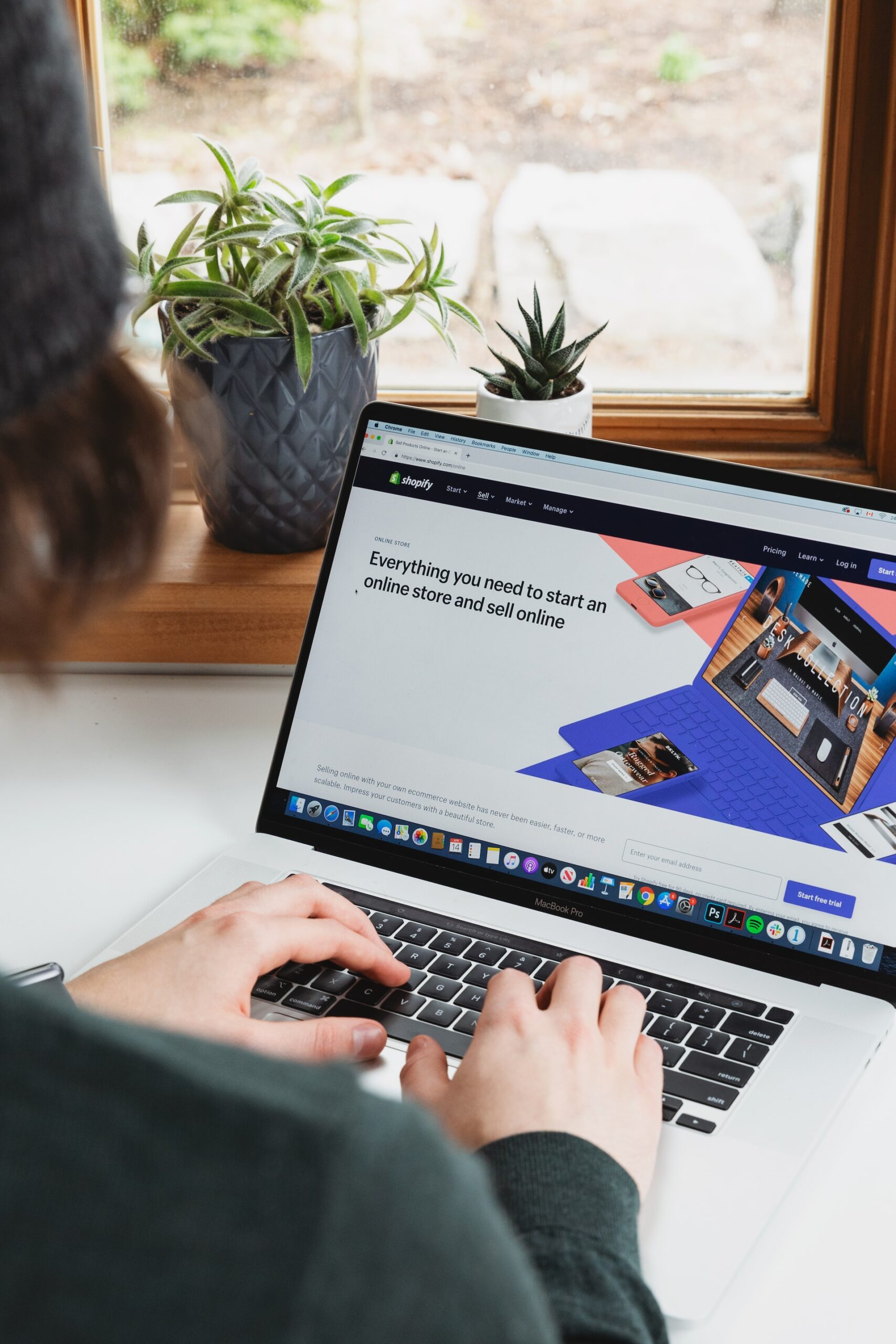
Platform selection isn’t just a technical choice—it’s a strategic one. Whether you’re building on Shopify, BigCommerce, Magento, WooCommerce, or a headless CMS, the infrastructure must support scale, security, customization, and integrations without compromising speed or usability.
Performance optimization is no longer optional. Users abandon slow sites. Search engines penalize them. Every asset, plugin, and animation must be scrutinized to maintain a fast, responsive interface. Coupled with ADA-compliant accessibility standards and inclusive UX principles, performance ensures equity as much as it ensures efficiency.
Content, Copy, and Commerce
eCommerce is fueled by content. Product descriptions, landing page copy, reviews, FAQs, and video walkthroughs all play a role in educating, reassuring, and persuading. The narrative must be clear, honest, and aligned with the brand’s tone.
But beyond words, content also means UX content—calls to action, error messages, cart flows, account interfaces, shipping estimators. Every touchpoint is a conversation, and tone matters. The best eCommerce sites feel like a dialogue, not a transaction.
Experience Is the New Differentiator
Price and availability may get users through the door, but experience is what keeps them loyal. That experience isn’t just what happens between “Add to Cart” and “Purchase.” It includes search, discovery, decision-making, post-purchase follow-up, returns, and even re-engagement through email and social media.
True differentiation now lies in how personalized, responsive, and intuitive a brand feels. AI and machine learning are accelerating this by offering tailored recommendations, smart search, predictive inventory display, and behavioral retargeting—but they must be deployed with precision and sensitivity, never at the cost of user trust.
Toward Ethical and Inclusive Commerce
As eCommerce becomes more powerful, so does the responsibility behind it. Ethical design ensures that persuasion doesn’t become manipulation. It promotes transparent pricing, respectful retargeting, honest reviews, and clear policies.
Inclusivity means more than just adding alt text. It means designing for all abilities, literacy levels, device types, and connectivity realities. It means acknowledging that digital commerce must serve everyone—not just those with the latest tech or highest bandwidth.
The Future: Adaptive, Omnichannel, and Intelligent
The future of eCommerce lies in convergence—where physical and digital retail blur into one seamless journey. Where in-store interactions inform online preferences. Where QR codes on packaging lead to loyalty programs. Where voice, vision, and gesture become input methods.
It’s an ecosystem where interfaces anticipate need, data drives insight, and brands operate with empathy. In this future, the best eCommerce experiences will feel less like transactions—and more like relationships.
Our published articles are dedicated to the design and the language of design. VERSIONS®, focuses on elaborating and consolidating information about design as a discipline in various forms. With historical theories, modern tools and available data — we study, analyze, examine and iterate on visual communication language, with a goal to document and contribute to industry advancements and individual innovation. With the available information, you can conclude practical sequences of action that may inspire you to practice design disciplines in current digital and print ecosystems with version-focused methodologies that promote iterative innovations.
Related Articles –
-

Enhancing Visual Appeal and Usability for Optimal Performance
-

6 Must-Have Ecommerce Web Design Elements
-

All Sites Are Not Created Equal: Choosing the Right Website Type
-
The Interactive Storefront: Designing for Ecommerce
-
Four Rock Solid Guidelines for Designing Mobile Friendly Magento Commerce Layouts
-

Magento eCommerce CMS and Its Benefits
-

Why Do I Need a Responsive Site?
-

The Importance of a Magento Responsive Web Design Layout