
Table of Contents


Experience in Design: Field, Method, and Feeling
Experience is not just an outcome of design—it is its very foundation. It can be studied, engineered, and evaluated, but it is also deeply felt, often beyond articulation. As designers, we work within the field of experience design, apply experience as a method, and seek to provoke experience as a feeling. Understanding how these layers interact is essential to designing interfaces, environments, and systems that resonate.
Experience as a Field
Experience Design (XD or UXD) has emerged as a distinct field intersecting design, psychology, technology, and behavioral science. It is concerned with the totality of interaction a user has with a brand, product, or system. But this field is not confined to digital screens. It spans environments, services, and physical touchpoints—wherever a human engages with a designed system.
As a discipline, experience design focuses on intentionality. Every step in the user journey is mapped, tested, and refined to remove friction and create clarity. What was once the domain of digital interfaces is now applicable across industries—from healthcare and education to public transportation and hospitality.
Experience design relies on principles like human-centeredness, empathy, and accessibility, but also leans on technical frameworks—usability heuristics, interaction models, service blueprints, and motion design systems. The field is as analytical as it is intuitive. It’s not just about how something works, but how it feels to use it.
Experience as a Method
Experience can be approached methodically. Design thinking, user journey mapping, rapid prototyping, ethnographic research, A/B testing—all are methods that prioritize the lived, felt, and perceived reality of a user. The goal isn’t to design a product—it’s to design an experience that solves a problem, enables a task, or sparks connection.
Designers use experience as a lens to evaluate ideas. Instead of asking “Does this work?”, we ask “How does this make someone feel?” or “What moment will this create for the user?” This shift repositions the end user as the center of every decision—not as an afterthought.
Experience as method is iterative. We don’t arrive at it in one pass. We evolve it through feedback loops, informed by data and real interaction. This approach helps uncover what users do not say explicitly—those micro-reactions, delays, or frustrations that only surface during engagement.
Experience design methods bridge strategy and emotion. They help designers ground abstract creative decisions in tangible, testable human reactions.
Experience as a Feeling
Design, at its most effective, is invisible. But its impact is not. What remains after someone visits a site, opens an app, enters a building, or interacts with a product—is a feeling. That feeling can be of trust, ease, delight, control, clarity—or confusion, irritation, fatigue. In the end, what people remember is how it made them feel.
Experience, as a feeling, is subjective but not accidental. It can be orchestrated. Designers choreograph visual rhythms, microinteractions, and emotional cues. We balance aesthetic harmony with usability. A subtle hover effect, a sound cue, a transition—all can influence perception. Even the loading speed of a site can alter how a brand is perceived emotionally.
When experience is approached only from a functional perspective, it often falls short. The cognitive load may be reduced, but emotional resonance might be missing. It is in the nuance, in the detail, that experience as a feeling is crafted.
Merging the Three: A Unified Practice
To work with experience in design is to operate at three levels at once:
-
As a field, we study it: drawing on research, best practices, and cross-disciplinary insights.
-
As a method, we build with it: applying structured processes to shape interactions.
-
As a feeling, we aim for it: crafting moments that connect and endure.
The most powerful experiences come when these layers are aligned. When the strategy, mechanics, and emotion are synchronized—design becomes invisible, and what remains is meaningful interaction.
This is where it transforms from a buzzword into a design imperative. We are no longer just solving problems—we are shaping perception, behavior, and even memory.
Why Dose it Matters in Design
In a saturated digital landscape, attention is scarce and expectations are high. Users may forget what was said or shown, but they remember what they experienced. Experience is the sum of all brand signals, visual cues, microinteractions, and content moments—layered together over time.
Designers are, ultimately, curators and builders. Not just builders of pages or interfaces, but architects of moments—many of which are invisible until they’re felt.
By treating experience as a discipline, using it as a method, and pursuing it as a feeling, we elevate the practice of design. We stop designing for the screen and start designing for the person behind it.
Our published articles are dedicated to the design and the language of design. VERSIONS®, focuses on elaborating and consolidating information about design as a discipline in various forms. With historical theories, modern tools and available data — we study, analyze, examine and iterate on visual communication language, with a goal to document and contribute to industry advancements and individual innovation. With the available information, you can conclude practical sequences of action that may inspire you to practice design disciplines in current digital and print ecosystems with version-focused methodologies that promote iterative innovations.
Related Articles –
-
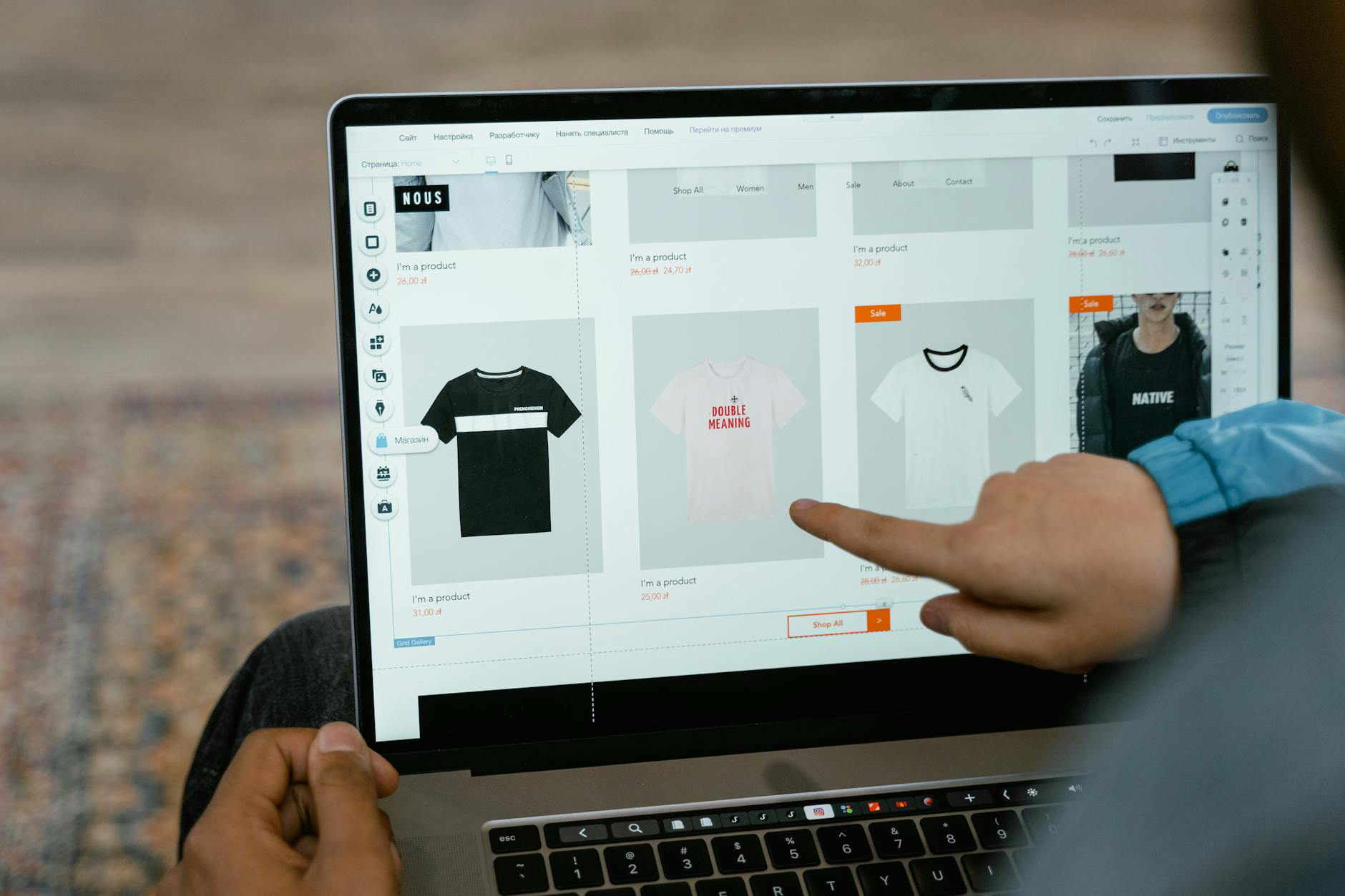
How to Measure Underperforming UI
-
The Power of Unified Design Language
-

Design Language System: The Role, Build and Implementation
-
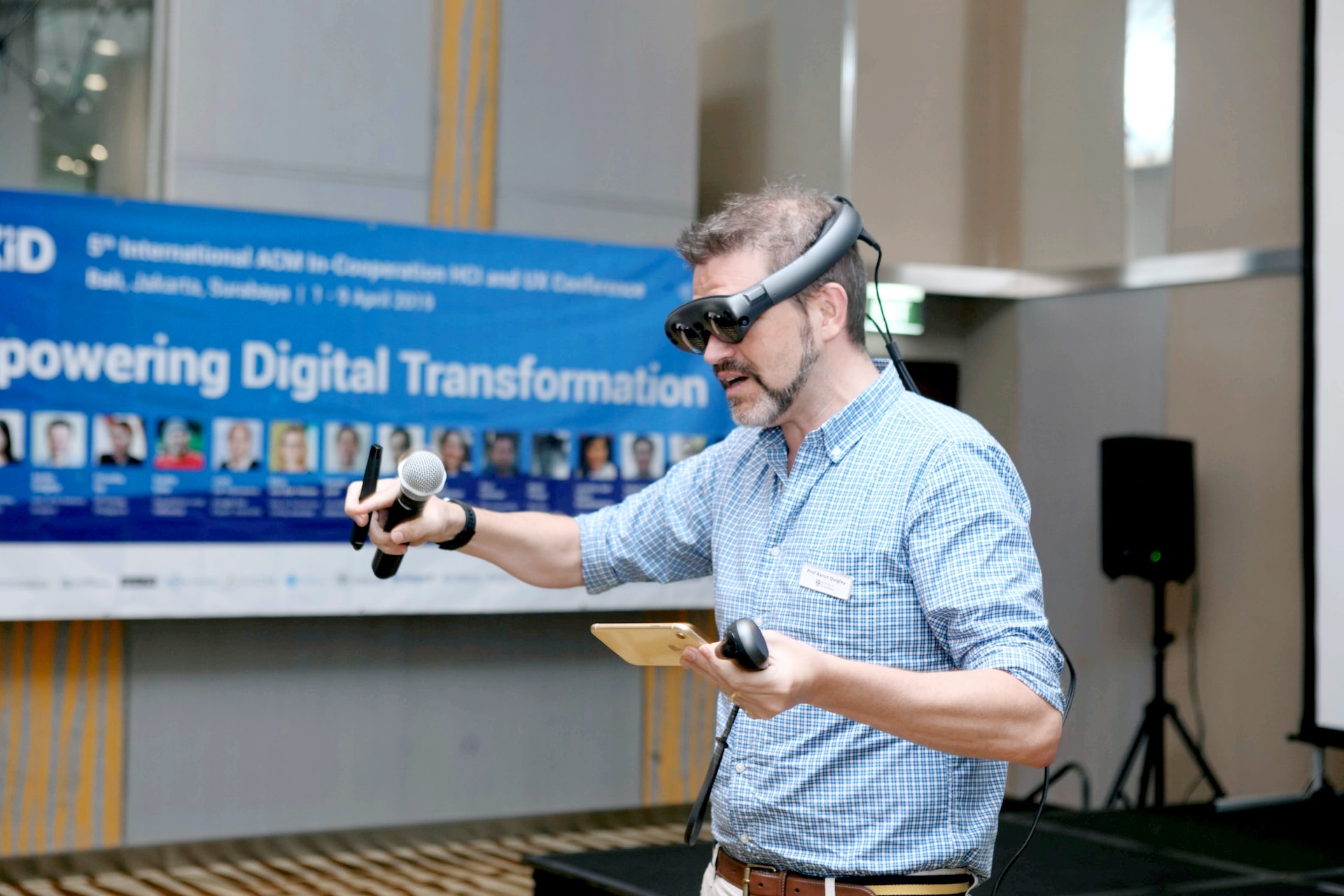
Empathy or No Empathy: The Dual Roles in UX Design
-
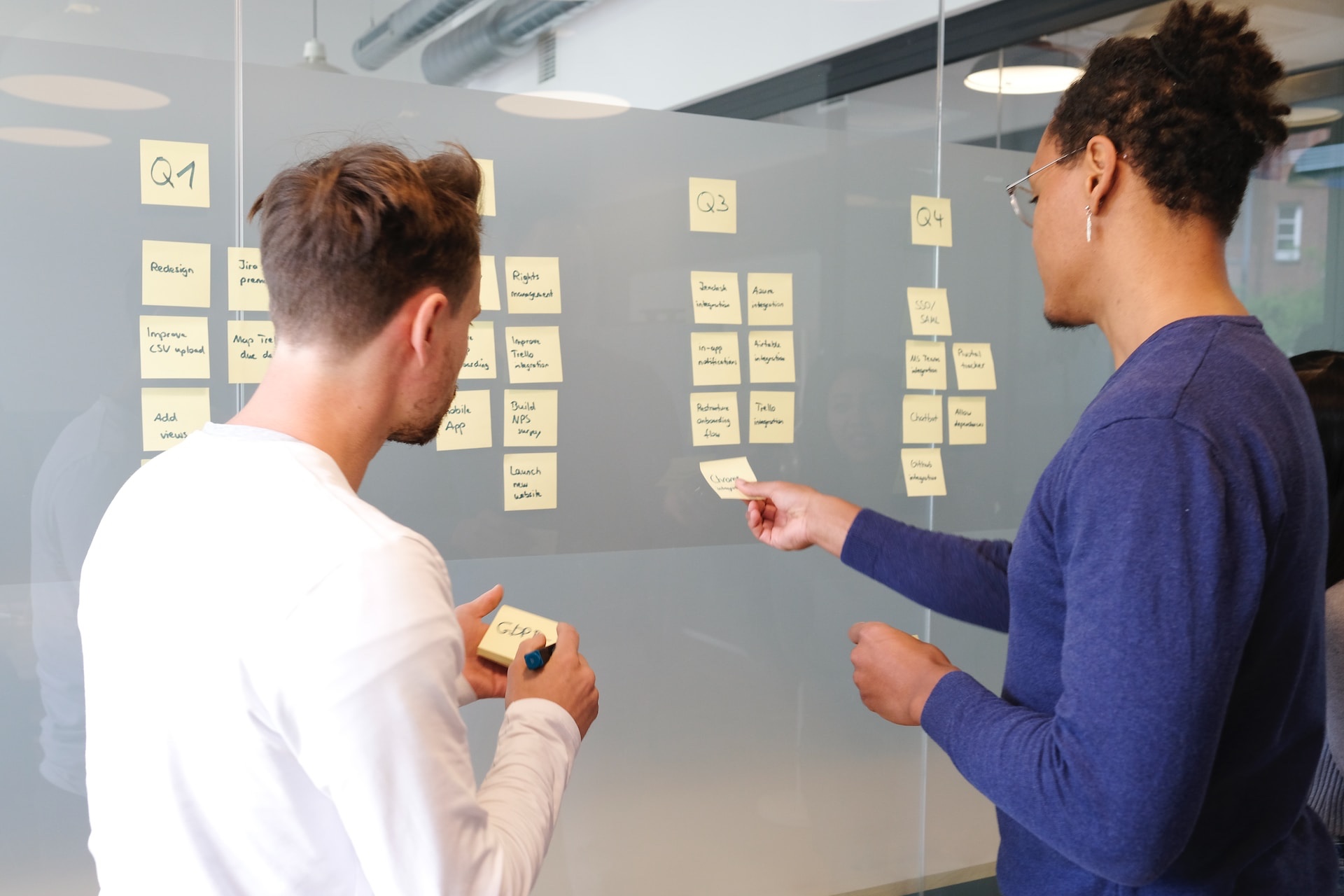
Enhancing User Experience: Refining Existing User Interface Design
-
UX Analytics: Understanding and Enhancing User Experience
-

Exploring the Power and Purpose of Design Language
-
Creative Visionaries Amplifying Street Arts Renaissance
-
The Thinking Creative: 5 Ways to Get (and Stay) Creatively Inspired
-
Make a plan to achieve the goal