
Table of Contents


Everything Starts with an Idea
Every design, product, system, or experience starts with one. An idea might be vague or rough, impulsive or refined—but it holds the spark of what’s possible. In design, ideas form the foundation of all creative exploration, technological innovation, and user-driven improvement. They serve as both compass and catalyst, steering the process while igniting momentum.
But an idea alone isn’t enough. The process that follows—evaluating, testing, discarding, reshaping—is what turns possibility into progress.
What Is an Idea in the Context of Design?
In its simplest form, an idea is a mental construct—a concept that suggests a potential solution, form, or experience. It’s the moment a designer sees a new way of doing something, notices a gap in a product flow, or imagines a better, simpler, more meaningful interaction.
Ideas can be sparked by:
-
Observation and pattern recognition
-
Cultural references
-
Personal intuition
-
Material exploration
-
Technological shifts
They don’t need to be fully formed. In fact, the best ideas are often open-ended, meant to be built upon. They serve as scaffolding for iteration, rather than as definitive answers.
Why Ideas Matter
Ideas drive design forward. They challenge assumptions and offer alternatives. They help shift a team from “how it is” to “how it could be.”
Without ideas:
-
There is no innovation.
-
Design becomes reactive rather than intentional.
-
Improvement stalls, and creativity suffers.
Ideas allow us to explore. To take risks. To test boundaries. And while not every idea will succeed—nor should it—they all serve a purpose: they teach.
Not Every Idea Is a Good One—And That’s Okay
One of the most important realizations in design is that failure is not a sign of a bad designer. It’s often a sign of a designer exploring widely enough. Not all ideas will hold up under prototyping, testing, or stakeholder review—and they shouldn’t.
Every failed idea reveals something:
-
What doesn’t work
-
What users don’t want or understand
-
Where priorities conflict
-
Which constraints are immovable
Instead of seeing failed ideas as wasted effort, they should be seen as necessary steps in refining better solutions. This is where design becomes both an art and a discipline.
From Idea to Prototype: The Value of Testing
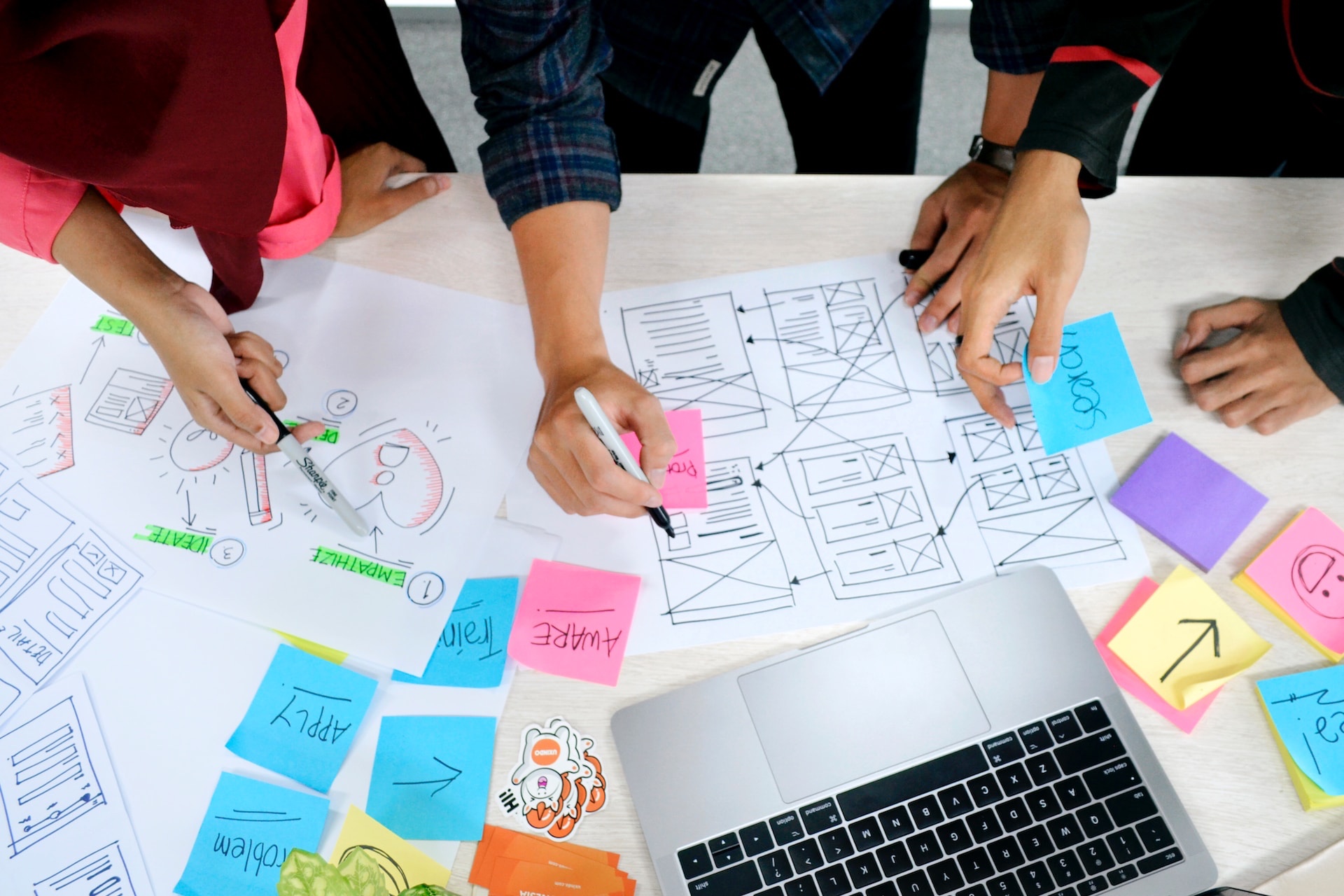
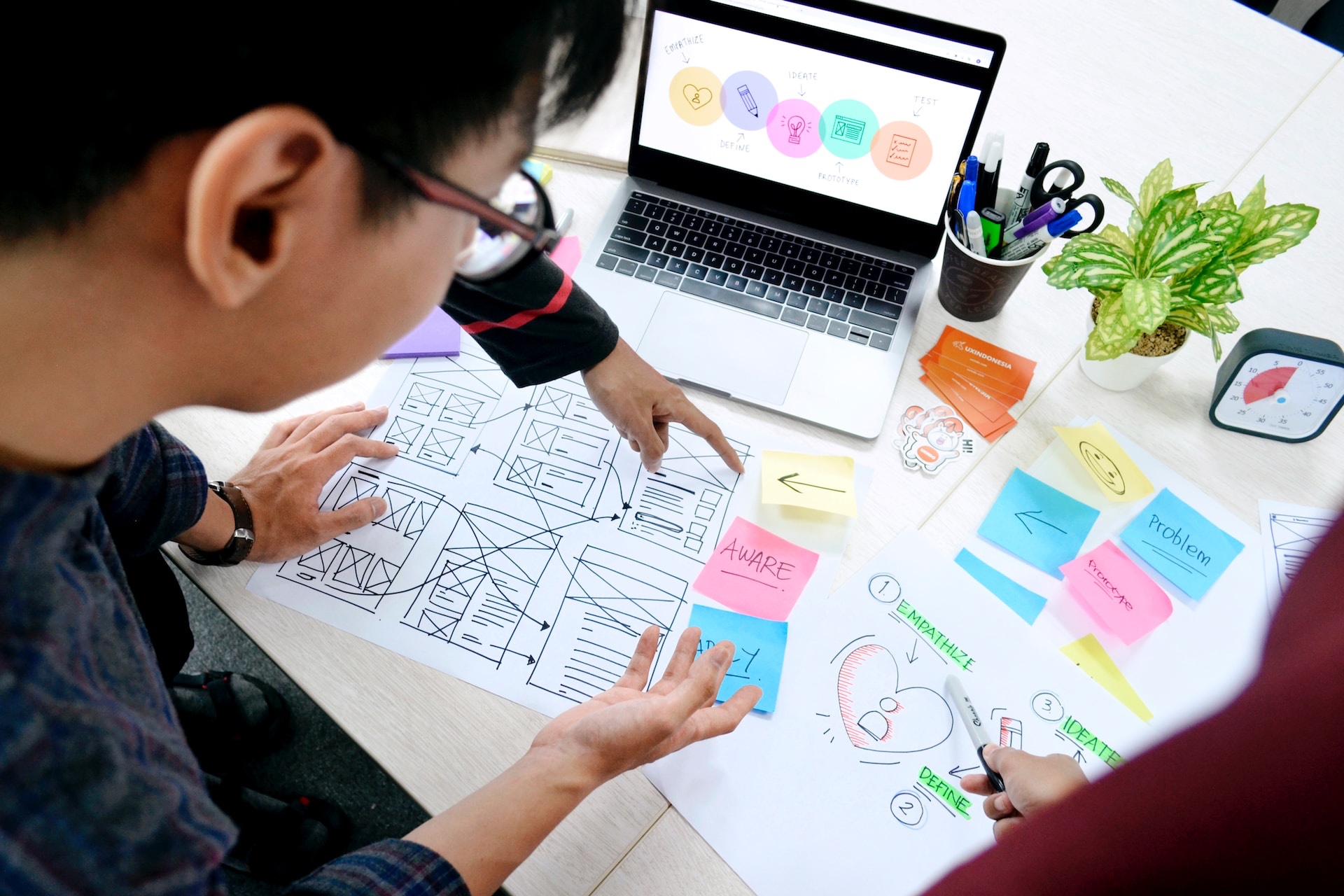
A prototype is where an idea gains shape. Whether it’s a wireframe, sketch, flowchart, clickable model, or 3D print, prototypes bring ideas out of the mind and into a form that others can see, touch, and critique.
Prototyping allows for:
-
Testing usability
-
Evaluating desirability
-
Assessing feasibility
-
Gathering feedback from real users
It’s through this process that raw ideas become real-world insights. The feedback loop between idea and evaluation is what makes a design process iterative, responsive, and user-centered.
Cultures That Support Idea Sharing Lead to Better Design
Design teams don’t operate in isolation. A single individual may have vision, but sustainable innovation comes from collective creativity. To make that possible, a culture of open idea sharing must be built—intentionally.
Encouraging idea flow across disciplines—strategy, design, engineering, product management—leads to:
-
Faster innovation cycles
-
Better solutions through diverse input
-
Greater alignment across teams
-
Reduced fear of failure
Psychological safety plays a huge role here. Designers need to feel safe proposing ideas that may fail, exploring paths that might not go anywhere, and challenging norms without being dismissed. That safety must be part of team culture.
Building a Culture That Welcomes Ideas
To encourage idea generation and sharing, organizations must:
-
Remove hierarchy from brainstorming.
Ideas can come from junior designers, interns, developers, or leadership. Titles shouldn’t outweigh contributions.
-
Create space for divergence before convergence.
Allow broad ideation before refining or choosing a direction. Rushing to finalize cuts innovation short.
-
Normalize and even celebrate idea failure.
Make it visible when ideas are discarded for valid reasons. Treat it as part of learning, not a loss.
-
Integrate cross-functional feedback.
The best ideas often emerge when teams overlap perspectives and challenge assumptions collaboratively.
-
Protect creative time.
Design teams need room to think, explore, and be wrong without the pressure of constant delivery.
Idea as Ongoing Process, Not Moment of Genius
In design, ideas are not one-time lightning strikes. They evolve. What starts as a half-formed sketch might become the backbone of an entire product. What looks perfect on paper might completely break in usability testing. That’s normal—and necessary.
What matters is that we stay open. Open to rethinking, reframing, remixing, rebuilding.
Ideas Fuel Better Futures
Ideas are fragile, sometimes flawed, and always full of potential. They drive curiosity, challenge convention, and unlock progress. But they need structure—evaluation, testing, iteration—to thrive.
In any design process, honoring ideas while knowing not all will succeed is the sign of a mature, resilient creative culture. When teams commit to sharing, questioning, and building on each other’s ideas, the result isn’t just better products—it’s better thinking.
And in design, better thinking is everything.
Our published articles are dedicated to the design and the language of design. VERSIONS®, focuses on elaborating and consolidating information about design as a discipline in various forms. With historical theories, modern tools and available data — we study, analyze, examine and iterate on visual communication language, with a goal to document and contribute to industry advancements and individual innovation. With the available information, you can conclude practical sequences of action that may inspire you to practice design disciplines in current digital and print ecosystems with version-focused methodologies that promote iterative innovations.
Related Articles –
-

The Engine of Design Evolution
-
The Invisible Weight: How AI Tools Add to Our Mental Load
-

Designing for Clarity: How to Reduce Cognitive Load in UI/UX
-

Creating Better Websites
-

Understanding Design Thinking and User-Centered Design
-
5 Common Pitfalls in UI Design: A Guide for New and Experienced Designers
-

The Conundrum of Empathy in UX Design: A Driving Force or an Unrealistic Ideal?
-
Navigating the Pitfalls: 5 Common Mistakes New UX Designers Make
-

Empathy-Driven Design: Understanding Users and Their Needs
-

Unlocking the Potential of Human-Computer Interactions: Removing Frictions and Enhancing User Experience