
Table of Contents


The Role of a Designer in the Modern Creative Ecosystem
Designers are at the core of how ideas take form. From digital platforms to physical products, their role is to turn abstract concepts into functional, meaningful, and user-driven outcomes. Every choice they make—typography, layout, motion, interaction—is a decision that impacts how people engage, understand, and respond.
In today’s creative ecosystem, the title spans across many specializations. But whether the focus is on interfaces, branding, experiences, or systems, the objective is the same: to create design that performs a purpose, solves a problem, and supports the mission behind it.
The Many Faces
Design has never been a single discipline. Today we work across a spectrum of mediums and objectives. Among them:
-
UX/UI Designers structure digital experiences that feel intuitive and human.
-
Graphic Designers focus on visual storytelling, brand assets, and layout hierarchies.
-
Product Designers balance usability, feasibility, and desirability in the creation of tools or services.
-
Brand Designers translate positioning and values into systems of visual language.
-
Interaction Designers define how users engage with systems and how those systems respond in return.
-
Service Designers map entire experiences, ensuring coherence from start to finish across every channel.
Designers may specialize in one of these roles, or fluidly move between them depending on the project. What unites them is a mindset focused on building clarity, coherence, and value.
Designers as Connectors
Designers sit between intention and implementation. They take input from stakeholders, researchers, and end users—and shape it into coherent outputs. Their ability to understand multiple perspectives and reconcile them through design is one of their most critical skills.
In doing so, they serve as translators across teams and contexts. Designers work closely with developers to ensure feasibility, with marketers to align messaging, and with leadership to support strategic goals. Their work often becomes the shared language that helps unify vision and execution.
Building with Systems Thinking
Modern design isn’t a static discipline. It functions within ecosystems—of users, devices, technologies, and content. Designers today need to approach challenges with systems thinking. A decision made in one part of a product may affect multiple touchpoints elsewhere.
That’s why design systems, pattern libraries, and scalable frameworks have become essential tools. They allow us to maintain consistency across experiences while allowing for flexibility and evolution.
This approach also supports accessibility, performance, and brand continuity—three pillars that must be embedded into the foundation of any modern design work.
Our published articles are dedicated to the design and the language of design. VERSIONS®, focuses on elaborating and consolidating information about design as a discipline in various forms. With historical theories, modern tools and available data — we study, analyze, examine and iterate on visual communication language, with a goal to document and contribute to industry advancements and individual innovation. With the available information, you can conclude practical sequences of action that may inspire you to practice design disciplines in current digital and print ecosystems with version-focused methodologies that promote iterative innovations.
Related Articles –
-

Design Debt: What It Is and Why It Slows Down Innovation
-
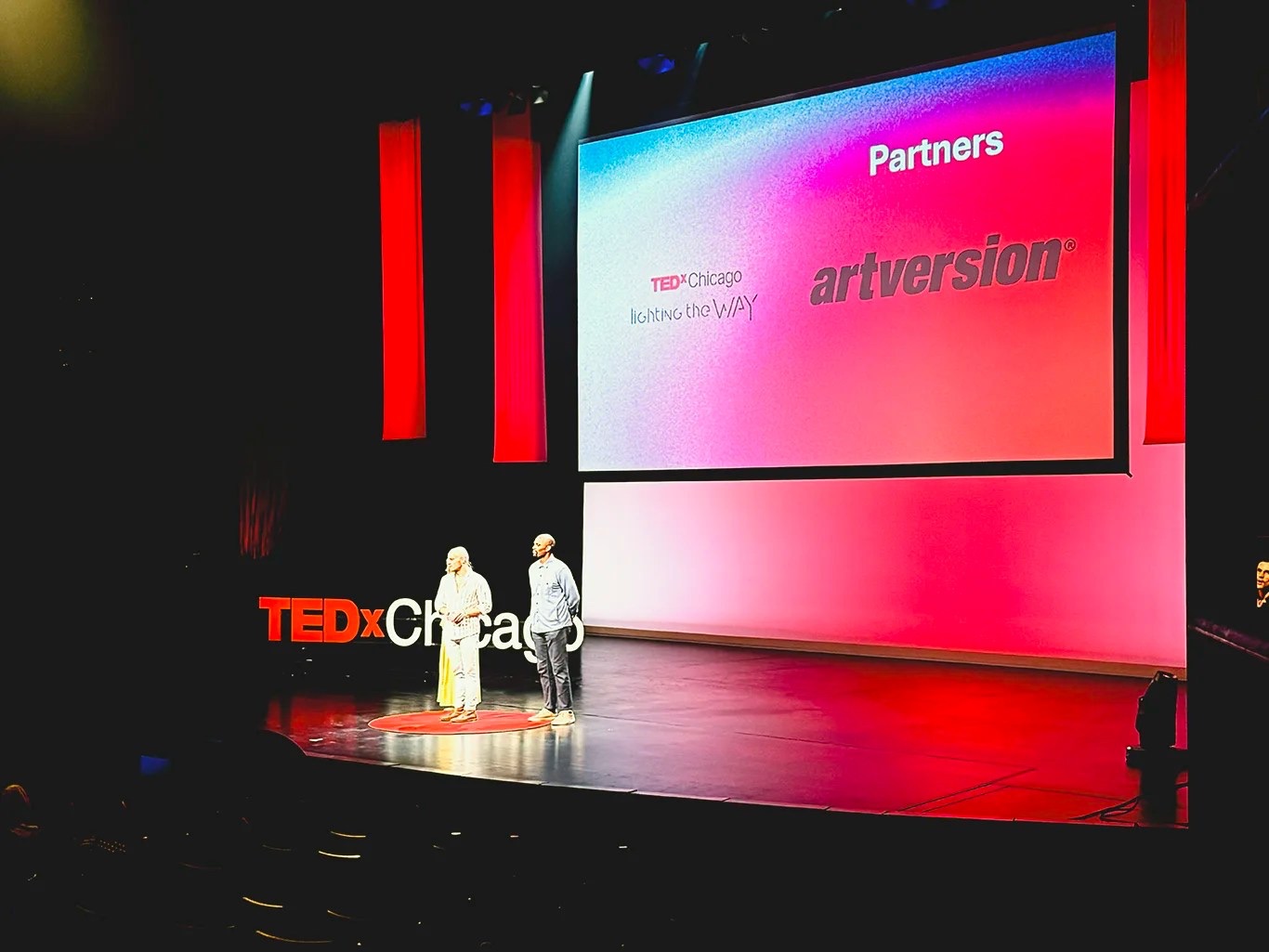
Designing for Impact: How ArtVersion’s Design System Boosted TEDxChicago Attendance
-

Mastering the Iterative Design Process: A Step-by-Step Guide to Continuous Discovery
-
The Thinking Creative: 5 Ways to Get (and Stay) Creatively Inspired
-

10 Best Design Books Every Creative Should Own
-

2016 Tech + Design Conference Guide
-
Keeping Agile In The Evolving Creative Marketplace
-

Using Data to Heighten the Creative Process