
Table of Contents


The Visual Language of Communication
Graphic design as a discipline is a bedrock for modern interaction design, web design, user interface design, and even user experience design. It blends visual fluency with creativity, but it also requires designers to understand human behavior and psychology. Graphic design is not decoration or aesthetic enhancement. It is a visual communication—the strategic use of visual language to communicate messages, solve problems, and build relationships between a brand and its audience. Across platforms, devices, and print mediums, graphic design functions as a powerful tool that directs attention, conveys identity, and encourages interaction.
Defining Graphic Design
At its core, graphic design is the art and practice of planning and projecting ideas through visual and textual content. It spans a broad array of outputs including brand identity, packaging, posters, interfaces, signage, editorial layouts, motion graphics, social content, and more. These visual assets are carefully crafted to be functional, expressive, and purpose-driven.
Graphic design integrates typography, photography, iconography, color, and composition to deliver messages with clarity and style. When executed well, it bridges creativity with strategy, often becoming the most visible extension of an organization’s communication.
The Purpose of Graphic Design
Graphic design serves multiple roles. It informs, inspires, persuades, guides, and even entertains. Whether the goal is to prompt a user to click a button, remember a brand, or read a publication, graphic design helps shape that experience. Good design doesn’t just look good—it works. It resonates with users and aligns with their expectations while reinforcing the message or functionality of the medium.
Core Purposes:
- Communication: Making complex information accessible.
- Brand Identity: Establishing and maintaining visual consistency.
- Usability: Improving clarity and navigation.
- Marketing: Enhancing campaigns with impactful visuals.
- Storytelling: Bringing narratives to life visually.
Principles That Guide the Craft
The foundation of effective graphic design lies in key principles that guide layout and aesthetic decisions. These principles are not rigid rules but serve as guidelines that help designers create balance, coherence, and intentionality.
- Hierarchy: Guiding the viewer’s eye through levels of importance.
- Alignment: Creating visual connections and structure.
- Contrast: Emphasizing differences for focus and interest.
- Repetition: Reinforcing consistency and rhythm.
- Balance: Distributing elements for stability and symmetry (or intentional asymmetry).
- Proximity: Grouping related elements together.
- White Space: Giving design room to breathe and improving readability.
Typography as a Design Foundation
Typography is one of the most powerful components of graphic design. It sets the tone, impacts readability, and conveys hierarchy.
Understanding type anatomy—x-height, ascenders, descenders, serifs, counters—helps designers select the right font for each context. Typography must align with the brand’s voice, whether it’s modern and minimal or bold and expressive.
Key considerations include:
- Legibility vs. Readability: Ensuring individual letter clarity and overall sentence flow.
- Font Pairing: Harmonizing headings and body copy.
- Line Length and Spacing: Optimizing for comfortable reading.
- Scalability: Maintaining clarity across screen sizes or print formats.
Color Theory and Emotional Impact
Color is not just an aesthetic choice. It evokes emotion, establishes mood, and signals action. Color theory helps designers understand how hues relate and interact: complementary, analogous, triadic, and more.
Psychologically, colors carry associations:
- Red: Energy, urgency, passion.
- Blue: Trust, calm, professionalism.
- Yellow: Optimism, warmth, caution.
- Green: Growth, health, balance.
- Black: Sophistication, luxury, authority.
Using color strategically can increase brand recognition by up to 80%. Designers must also consider accessibility, ensuring contrast ratios meet WCAG standards for readability.
Images, Icons, and Illustration
Photography, illustration, and iconography are essential tools for enriching visual communication. Each image selection supports the tone, context, and messaging of the design.
- Photography often brings realism and emotional resonance.
- Illustration adds character, uniqueness, and interpretive flexibility.
- Icons offer clarity and support navigation or feature highlights.
Designers should ensure that all images are optimized for their respective mediums (e.g., screen resolution, print DPI) and are legally licensed or custom created to maintain brand integrity.
Mastering Layout and Composition
A strong layout organizes information and creates a logical path for the viewer to follow. Composition is the arrangement of visual elements within a design, guided by the principles discussed earlier.
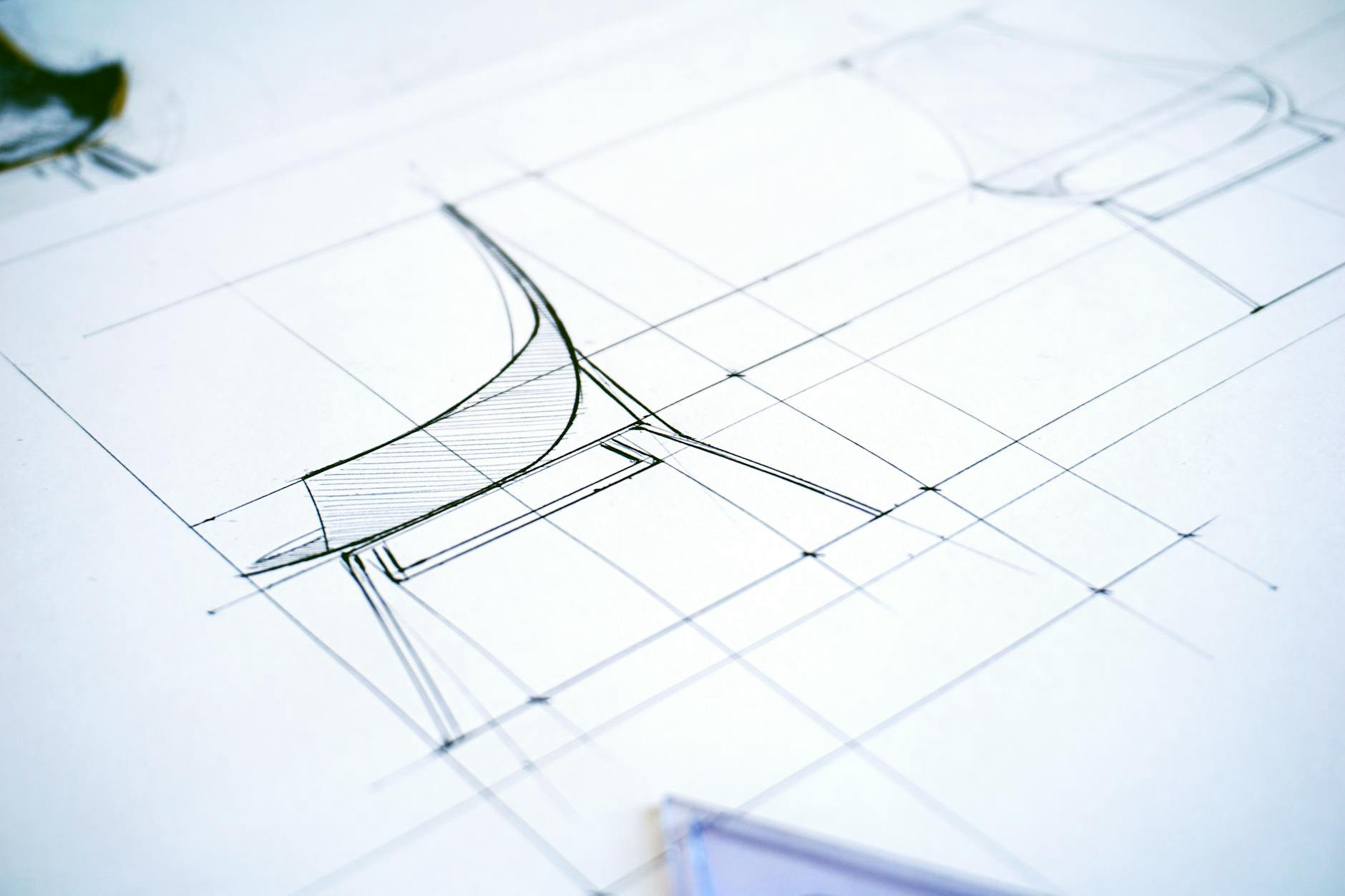
Designers often work with grids to ensure alignment and consistency, particularly in digital environments. Responsive design considerations have added complexity to layouts, requiring designs to adapt to multiple screen sizes and orientations.
Designing for Print and Digital Mediums
While the fundamentals of graphic design apply across mediums, print and digital each require distinct approaches.
Print:
- Requires precise color calibration (CMYK).
- Prioritizes DPI and bleed settings.
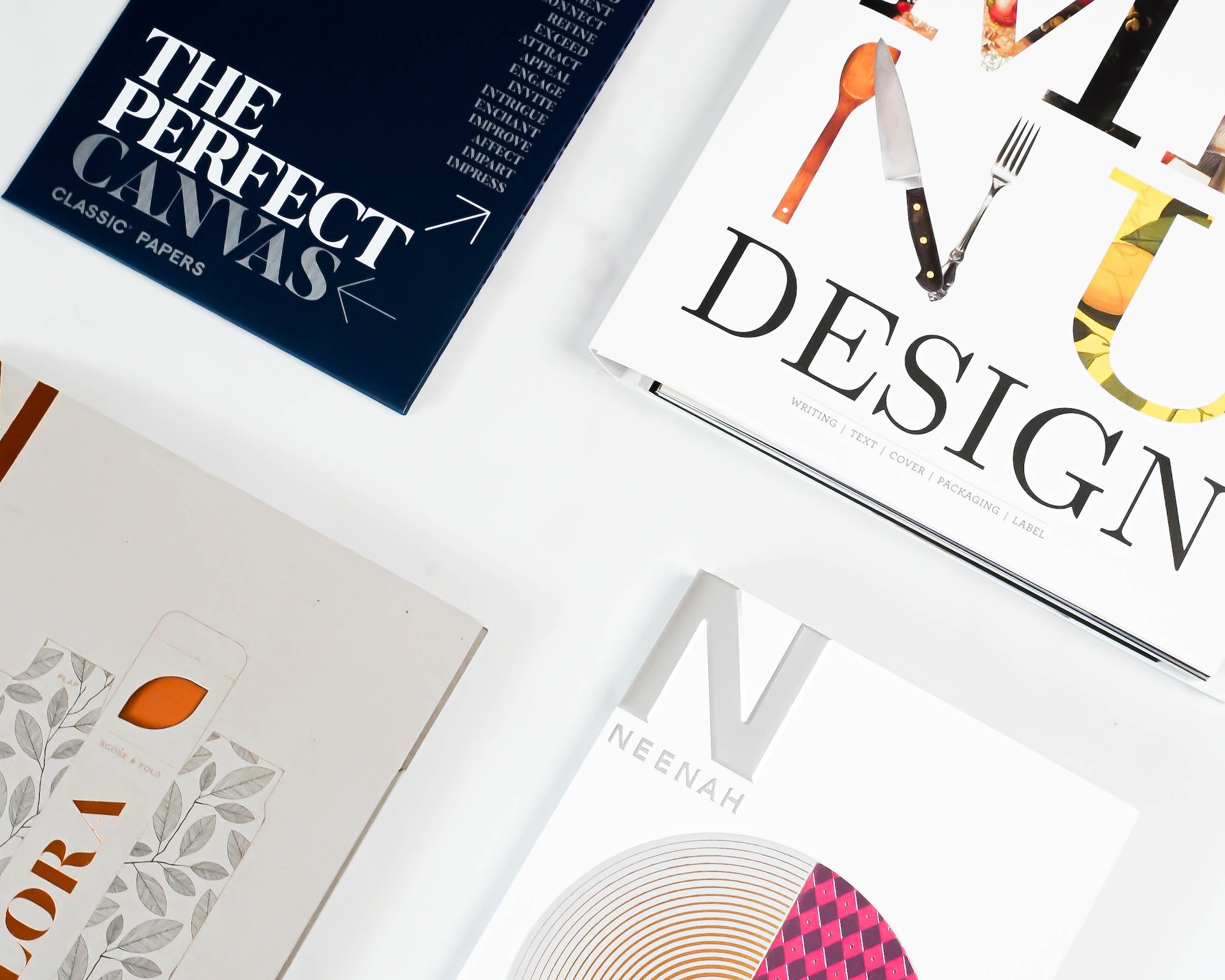
- Materials impact final presentation (paper texture, weight, finish).
Digital:
- Works in RGB color modes.
- Must adapt to screen resolutions and responsive behaviors.
- Often incorporates interactivity or motion (hover states, video, etc).
Designers today often need to straddle both environments, ensuring brand consistency regardless of platform.
Visual Identity and Brand Design
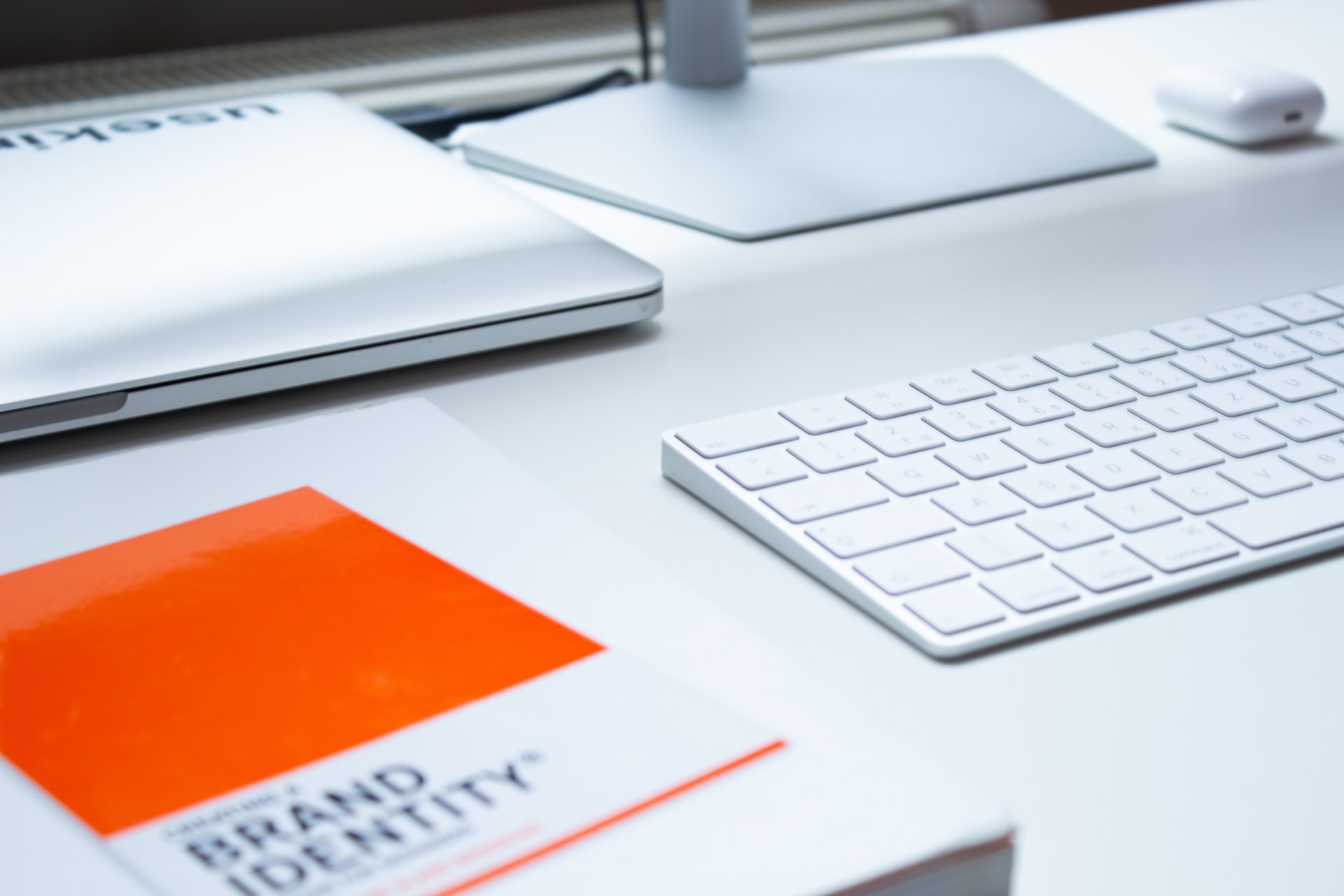
Graphic design gives visual form to a brand’s personality and values. Every asset—logo, color palette, typography, packaging, social content—shapes perception and reinforces recognition.
Consistency across visual materials builds trust. Repetition of graphic elements helps users quickly identify the brand. Well-executed brand guidelines ensure that no matter who is creating collateral, the visual experience feels unified.
Graphic design also plays a key role in brand evolution, allowing legacy brands to refresh their identity while maintaining their core recognition.
Design in UX and Interface Design
In digital environments, graphic design overlaps with UX and UI disciplines. While UX focuses on function, interaction, and architecture, graphic design contributes emotional resonance, tone, and clarity.
Key intersections include:
- Microinteractions: Button states, loading animations.
- Visual Hierarchy: Clear navigation and content structure.
- Accessibility: Font size, color contrast, intuitive iconography.
- Brand Continuity: Ensuring the interface reflects brand identity.
When design and UX are integrated, the result is a seamless, enjoyable, and memorable experience.
Tools That Power the Practice
Modern graphic designers use a blend of tools depending on the deliverable. Industry standards include:
- Adobe Creative Cloud (Photoshop, Illustrator, InDesign, XD).
- Figma and Sketch for UI and collaborative design.
- Canva and Adobe Express for templated content creation.
- Procreate and Affinity Designer for illustration and experimental work.
Increasingly, designers are also incorporating animation tools (After Effects, Lottie) and collaborating with developers through platforms like Zeplin or Framer.
Designing for Everyone: Accessibility and Ethics
Graphic design must serve everyone. Inclusive design ensures that content is usable by people with varying abilities.
Designers should:
- Use alt text for images.
- Ensure contrast ratios meet WCAG guidelines.
- Avoid color reliance alone to convey information.
- Create scalable, adaptable layouts.
Ethically, graphic design holds power. It can influence perception, behavior, and belief. Designers must be conscious of manipulation, misinformation, and stereotype reinforcement.
What’s Next
While trends evolve, certain forces are shaping the future of graphic design:
- Minimalism and Maximalism: Simplicity vs. expressive overload.
- AI-Generated Design: Tools like Adobe Firefly, Midjourney, and Runway.
- Sustainable Design: Eco-friendly packaging, digital-first branding.
- Motion Design: Dynamic storytelling through animation.
- 3D and Spatial Design: Blending virtual and physical experiences.
Designers must stay adaptable, continuing to learn and experiment while maintaining a strong foundation in visual principles.
Why Graphic Design Matters in Business
For businesses, graphic design is not a luxury. It’s a necessity.
- It shapes first impressions.
- It supports marketing and conversion.
- It communicates trust and professionalism.
- It differentiates brands in competitive markets.
From startups to Fortune 500s, companies that invest in strong graphic design report higher customer engagement, loyalty, and satisfaction.
Final Thoughts on Graphic Design
Graphic design is more than visuals—it’s visual thinking. It combines form and function to tell stories, sell ideas, and build brands. As the mediums of communication expand, the role of graphic design only grows more essential.
A skilled graphic designer does not simply make things look good. They make them work, connect, and endure. That is the true art of design.
Our published articles are dedicated to the design and the language of design. VERSIONS®, focuses on elaborating and consolidating information about design as a discipline in various forms. With historical theories, modern tools and available data — we study, analyze, examine and iterate on visual communication language, with a goal to document and contribute to industry advancements and individual innovation. With the available information, you can conclude practical sequences of action that may inspire you to practice design disciplines in current digital and print ecosystems with version-focused methodologies that promote iterative innovations.
Related Articles –
-

Fundamental Components of Grid Systems
-
The Importance of Grids in Design
-

Design Language System: The Role, Build and Implementation
-
How to Scale Design Language Systems
-
White Papers: The Powerhouse of Knowledge Sharing and Contextual Design
-

Intricate Impressions: How Details of UI Design Craft Unforgettable UX
-

The Power of Design Language: Methods, Philosophy, and Impact on Cognition
-

Design Language in Branding
-

Why Branding Through Graphics Is the Bigger Picture
-

UX, UI, Product, and Graphic Designer: Is There Really a Difference?