
Why Concepts Matter Before Design Begins
Every successful interface begins long before wireframes or color palettes—it starts with a concept. Concepts are the underlying logic, vision, and strategy that shape how a product feels, functions, and communicates. They give direction to design and ensure that every interaction aligns with purpose. In UI/UX design, a concept is not decoration or inspiration—its foundation. It connects user needs with business goals, and it’s the filter through which every design decision passes.
What Is a Concept in Design?
A concept is the core idea that informs the structure, tone, and behavior of a user experience. It isn’t a single visual—it’s a system of understanding. At its best, a concept encapsulates:
-
The why behind a product
-
The problem it solves
-
The people it’s built for
-
The principles guiding the experience
In practice, a concept can manifest as a theme, a metaphor, a set of guiding design principles, or a visual language. But at its heart, it’s always about meaning. In design practice, a strong prototype for an experience often begins with an underlying theme or metaphor—something that gives structure to creative decisions while anchoring the user’s emotional connection. This could be as simple as designing a financial dashboard to feel like a command center, or an education platform to resemble a curated museum of knowledge. These narrative devices help shape interactions, define tone, and create a cohesive feel across the interface. They’re not superficial—they function as a kind of DNA, quietly guiding the entire design system.
Beyond metaphor, many teams rely on a set of guiding principles to shape their approach. These might include ideas like clarity over complexity, motion with intention, or consistency with room for discovery. Such principles are not constraints but alignments. They ensure that every element—typography, navigation, animations—works toward the same experience goals. This kind of internal rulebook doesn’t limit creativity; it amplifies it by providing focus and integrity across variations and iterations.
Visual language also plays a crucial role in how ideas are expressed and understood. The choice of colors, shapes, spacing, iconography, and typography all communicate messages before a single word is read. When thoughtfully curated, visual systems enhance comprehension and create emotional resonance. They help users anticipate behavior, find rhythm in navigation, and feel a connection to the product that’s immediate and instinctive. Without this level of visual storytelling, even the best-engineered experiences can feel cold or fragmented.
Ultimately, it all comes down to meaning. Not just what something looks like or how it functions, but what it feels like to use. The best user experiences are built on ideas that transcend utility—they tap into identity, intuition, and trust. They signal to users that someone thought deeply about their journey, their mindset, and their expectations. And when that intention carries through from structure to screen, the experience becomes more than usable—it becomes personal.
The Role of Concepts in UI/UX Design
Concepts serve multiple functions throughout the product lifecycle:
-
Strategic Anchor: Helps teams stay aligned across disciplines.
-
Creative Framework: Guides visual design, motion, and content choices.
-
User Lens: Forces empathy and drives user-centered thinking.
-
Validation Tool: Used to evaluate whether features or flows stay true to the product vision.
Without a strong concept, design becomes fragmented. With one, even the smallest interaction feels intentional.
How Concepts Are Developed
Concepts aren’t pulled out of thin air. They are crafted through discovery, shaped by research, and refined through iteration. Steps often include:
-
Stakeholder and user interviews
-
Competitive landscape and industry context
-
Brand audits and product purpose clarification
-
Mood boards and design exploration
-
Narrative writing and conceptual modeling
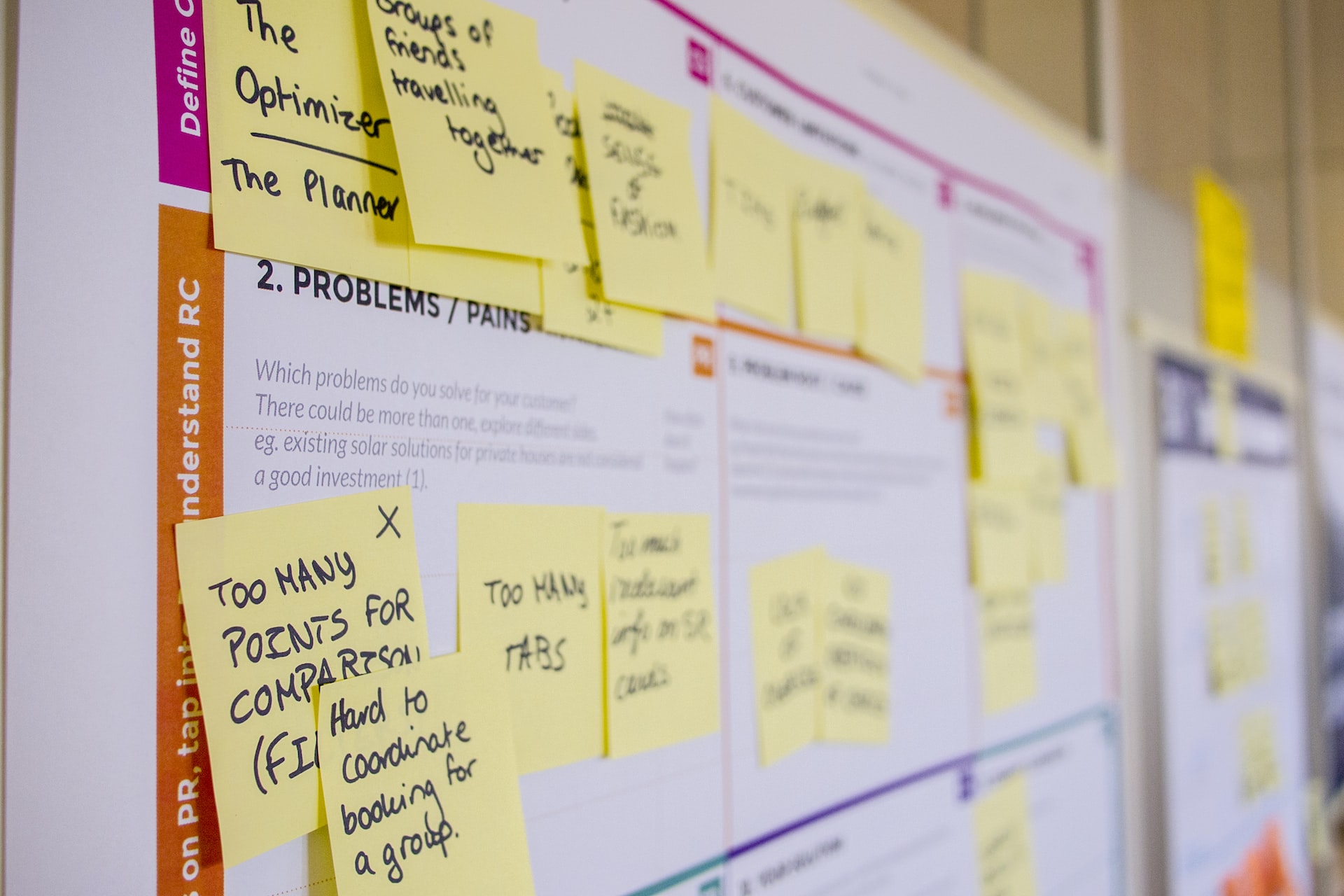
This is where design strategy meets imagination. Ideas don’t just appear—they emerge from a deliberate process of exploration, listening, and refinement. It begins with immersing in the needs and goals of both the business and its users. Stakeholder interviews reveal internal expectations and strategic priorities, while user interviews uncover pain points, desires, and behavioral patterns. Understanding the competitive landscape and industry context adds a critical layer, helping designers identify both white space and overused tropes. A brand audit ensures alignment with the visual and verbal identity already in place, or clarifies the opportunity for evolution. From there, the process becomes increasingly visual and narrative—mood boards, thematic directions, and exploratory sketches begin to form a creative framework. Writing short user journeys or scenario-based stories allows teams to explore tone, attitude, and functionality before jumping into wireframes. This early stage is where design strategy meets imagination—where research-driven insights begin to take shape through visual thinking and storytelling.
Concept vs. Execution: Why the Difference Matters
Too often, design teams leap straight into execution—selecting colors, placing buttons, arranging layouts—without fully understanding the deeper foundation of what they’re building. The result can be visually appealing interfaces that lack clarity, emotional connection, or purpose. When decisions are made without a guiding framework, even the most polished screens can feel disconnected or hollow. On the other hand, having a strong internal logic or creative vision without translating it into tangible output leaves teams stuck in theory, never quite bridging the gap between idea and experience. Real impact comes when strategic thinking and visual execution are in complete alignment. That’s when a digital product becomes more than just usable—it becomes intuitive, memorable, and resonant. It speaks clearly to its audience because every element serves a reason, and every interaction reinforces a meaningful story.
Types of Concepts in UI/UX
-
Visual Concepts: Color systems, typography logic, layout rules
-
Interaction Concepts: Micro-interactions, motion, transitions
-
Narrative Concepts: Storylines, metaphors, user journey arcs
-
Behavioral Concepts: How users are encouraged to act or feel
When a concept is consistent across screens, touchpoints, and time, it builds trust. Users begin to understand how things work, feel comfortable, and form emotional bonds. This is how good UX becomes great branding. Concepts aren’t a step in the process. They are the process. They’re what separates fast design from intentional design—and what turns interfaces into experiences.
Our published articles are dedicated to the design and the language of design. VERSIONS®, focuses on elaborating and consolidating information about design as a discipline in various forms. With historical theories, modern tools and available data — we study, analyze, examine and iterate on visual communication language, with a goal to document and contribute to industry advancements and individual innovation. With the available information, you can conclude practical sequences of action that may inspire you to practice design disciplines in current digital and print ecosystems with version-focused methodologies that promote iterative innovations.
Related Articles –
-

Design Starts with Questions: Framing, Discovery, and Problem Solving
-

The Microcopy Effect: Small Words, Big Impact
-

UX Writing: Where Words Meet Design
-

Human-centric Design is Often Based on Versioning and Iterations
-

Guesswork or Science: The Divide That Defines Outcomes in Design
-
6 Tips for Writing for the Web
-

Point and Shoot: 3 Tips for a Great Photoshoot Experience
-

Hi There, Meet Photography.
-
Power Your Brand with Color
-

Get Excited: Design Trends for 2015