
Table of Contents


What Is a Brand?
Understanding the Meaning, Power, and Practice of Branding
A brand is more than a name, logo, or tagline—it’s the cumulative meaning people attach to a company, product, or idea. It’s how you’re perceived, remembered, and talked about when you’re not in the room. At its core, branding is about recognition and resonance—bridging what you stand for with how others experience and interpret it.
But the definition of a brand has evolved. In a world where every interaction can influence perception, a brand is no longer static or surface-level. It lives in your product’s design, your interface’s tone, your user’s journey, your internal culture, and your external presence. It is systemic. Strategic. And deeply emotional.
Why Brands Exist
Brands originated as marks of ownership, evolving into signals of quality and trust in marketplaces crowded with choices. Over time, they became carriers of narrative—shaping not just consumer preferences but entire cultures. From livestock branding to luxury branding, from family crests to global corporate identities, the concept has always served one purpose: to make meaning visible.
In the digital era, that meaning is communicated not just through visuals but through experience. The look of a logo matters, but so does the clarity of your onboarding flow. The way your website feels to navigate, the tone of your email responses, the consistency of your visual language—all of it contributes to what people consider your brand.
A Brand Is a System, Not a Symbol
When done well, a brand behaves like a living system. It’s made of:
-
Visual Identity (logos, typography, colors, layouts)
-
Verbal Identity (voice, tone, messaging)
-
Behavioral Identity (how the brand acts across touchpoints)
-
Experiential Identity (what it feels like to engage with the brand)
These elements must align—and stay aligned. Consistency isn’t just for aesthetics; it builds trust. It helps people recognize you, remember you, and feel something each time they interact with you. And consistency, when paired with intentionality, enables adaptability.
Because a strong brand isn’t fixed—it evolves without losing its essence.
The Brand Is Not What You Say It Is
It’s what others feel it is. This simple idea reframes branding as a relationship, not a monologue. Companies don’t get to dictate meaning—they get to influence it. Through every decision they make.
A homepage that loads too slowly, a checkout experience that’s confusing, a tone-deaf social post—these all shape perception just as much as a well-crafted mission statement or a beautiful visual identity.
That’s why branding isn’t a phase of a project. It’s a lens. It should guide product decisions, hiring practices, marketing campaigns, design systems, and platform choices. When applied holistically, branding becomes strategy in motion.
Branding as Legacy
A brand is the ongoing record of your decisions. It’s a time capsule of your intentions, values, and priorities—projected outward. For legacy companies, that means preserving what made them successful while inviting new audiences to participate. For startups, it means setting a tone early that aligns ambition with authenticity.
This is why branding is often considered the highest form of storytelling in business. It captures origin, context, and vision in a language others can adopt, believe in, and carry forward.
Your brand is what gets remembered long after a campaign ends or a product is replaced. It outlasts trends. It builds equity.
Brand ≠ Branding
To clarify a common confusion:
-
Brand is the perception.
-
Branding is the effort made to shape that perception.
Branding includes design, messaging, positioning, naming, advertising, product packaging, and more. But those are tools—not the outcome. The outcome is the meaning that lives in the minds of your users, customers, stakeholders, or fans.
This distinction is critical for organizations trying to understand why branding matters. You don’t just create a logo and call it a brand. You create meaning through experience and reinforce it through design.
Digital Brands and the Role of Interface
Today, brand perception often begins—and evolves—through digital channels. It might be experienced first via a mobile app, social media, or a website. That’s why interface design is no longer just usability work—it’s brand work. The tone of a button label, the animation speed of a transition, the personality of a 404 page—these are branding moments.
Good UX is good branding. Friction, inconsistency, or confusion weakens trust. Fluidity, clarity, and delight strengthen it.
We see brand and interface as inseparable. Every layer of design is an opportunity to build or erode meaning. It’s not about making things look good—it’s about making them feel right.
Brands in the Age of AI and Personalization
As digital experiences become increasingly personalized and AI-assisted, the role of branding is shifting again. It’s no longer just about universal messages—it’s about contextual relevance. This doesn’t mean your brand must change from person to person, but it does mean your expression might.
Voice assistants, recommendation engines, dynamic UIs—they all present new surfaces where branding must show up coherently. Your brand needs to sound human when read aloud by a machine. It needs to be clear when adapted by algorithms. It needs to be flexible without becoming fractured.
This is where brand guidelines must evolve into systems—living frameworks that support change while maintaining essence.
How Brands Are Built
Brands aren’t born—they’re built, layer by layer. The process looks something like this:
-
Discovery – Understand the business, the audience, the competitors, and the culture.
-
Positioning – Define your unique space in the market.
-
Identity Creation – Design the visual and verbal system to express the brand.
-
Implementation – Launch it across platforms, materials, and experiences.
-
Iteration – Evolve as context changes, without losing coherence.
It’s never one-and-done. Strong brands are designed to grow. They don’t just survive change—they thrive in it.
Positioning is not about being everything to everyone. It’s about clarity—knowing who you serve, how you help, and why it matters. At its core, positioning is a strategic exercise in focus. It defines the territory you occupy relative to others and sets the foundation for all communication, messaging, and visual expression.
Unique Space in the Market
Great positioning solves a problem from the user’s perspective. It starts with research—not assumptions—and looks outward before turning inward. It asks: What are people missing? Where are they underserved? What language do they already use to describe their pain points? Only then does it define how your solution meets those needs better, faster, or more meaningfully than alternatives.
Positioning isn’t a tagline. It’s the alignment between what you offer and what people value. It’s not just differentiation for the sake of being different—it’s differentiation that feels relevant and compelling. When done well, it becomes a mental shortcut. People know what you stand for without needing an explanation.
The Visual System
Once the strategic foundation is clear, identity creation brings it to life. This is where design, language, and behavior converge to express who you are and what you stand for.
An effective identity captures both logic and emotion. It should reflect internal values while resonating with external audiences. That means going beyond aesthetics. Typography, color, shapes, and iconography all signal meaning—but so does tone, phrasing, layout, and interaction. Every element sends a message.
The visual system should be flexible but coherent—built to scale across mediums without losing clarity. The verbal system should feel familiar to your audience while still introducing your unique perspective. Together, they form a language that speaks before a conversation even starts.
Identity is how you’re recognized, even when you’re not being talked about directly. It’s what allows people to recall your presence from a glance, a sound, a sentence. It creates distinction without needing to shout.
Why Brand Thinking Belongs to Everyone
Branding is often treated as a marketing concern. But it belongs to product teams, developers, executives, and customer support just as much. Because every team contributes to the user’s perception. The way someone is onboarded into a service, the tone of a confirmation email, the structure of a dashboard—each moment shapes experience and memory.
Experiences are the most powerful way people form lasting impressions. What someone feels when using a product, navigating a website, or receiving support shapes their perception far more than any slogan or visual element. These moments—whether seamless or frustrating—carry meaning. They build trust, spark emotion, and define how people talk about and remember an organization. Every interaction, no matter how small, has the potential to create alignment or disconnect between intention and reality. That’s why designing thoughtful, consistent experiences isn’t just good practice—it’s essential for building meaningful relationships.
This is why cross-disciplinary collaboration is key to effective brand work. It’s not enough for design to carry the torch. Every touchpoint is a shared responsibility.
Final Thought: A Discipline of Meaning
We chose the name VERSIONS® because we believe in evolution. In iteration. In progress. And branding, when done right, is an iterative act. It’s the craft of making something mean more—with every new version of your product, message, or experience.
A great brand doesn’t just stand for something. It lives through something—through people, platforms, and moments. It adapts, resonates, and builds legacy not by staying the same, but by evolving with purpose.
Our published articles are dedicated to the design and the language of design. VERSIONS®, focuses on elaborating and consolidating information about design as a discipline in various forms. With historical theories, modern tools and available data — we study, analyze, examine and iterate on visual communication language, with a goal to document and contribute to industry advancements and individual innovation. With the available information, you can conclude practical sequences of action that may inspire you to practice design disciplines in current digital and print ecosystems with version-focused methodologies that promote iterative innovations.
Related Articles –
-

Design as a Key Element in Successful Branding
-

Building Trust in the Digital Landscape
-
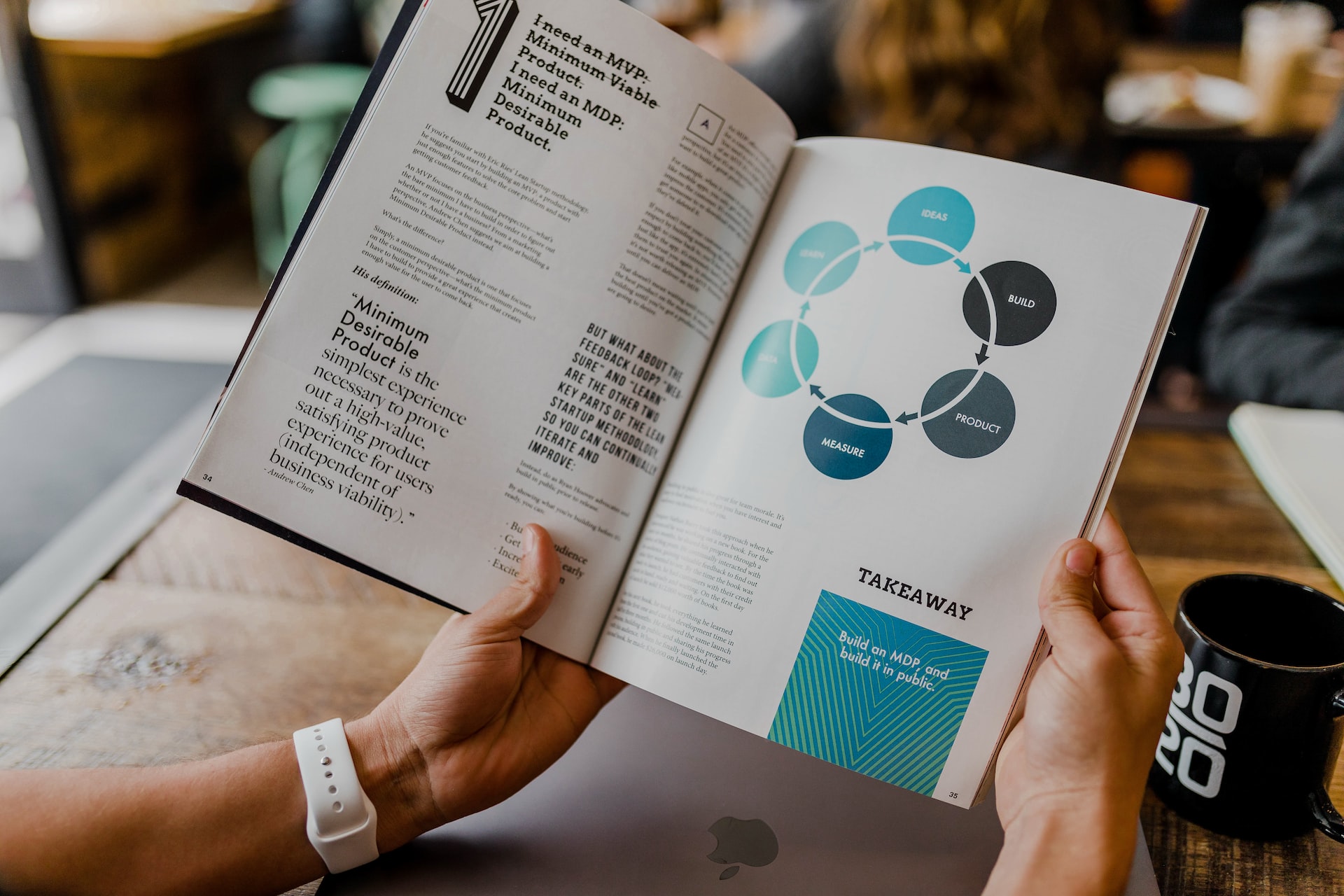
Baby Steps: Identifying Your Brand
-

Startup Branding – What Factors Can Help You Win in a Crowded Marketplace?
-

What Should You Focus On When Redesigning a Company Site?
-
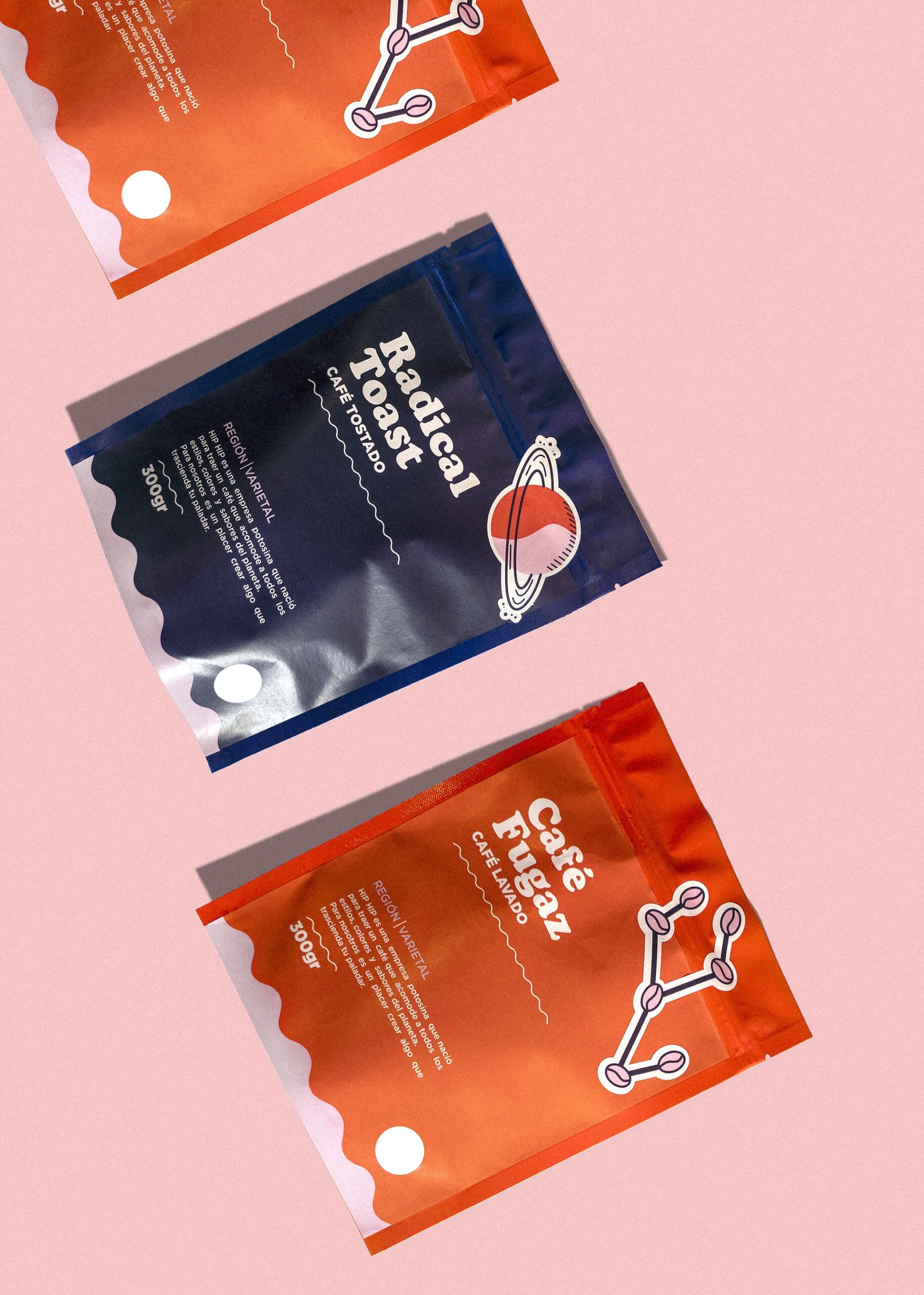
Looking at Company Branding and Visual Communications in a New Light
-

How Digital Marketing Differs from Traditional Marketing